Summary:
The Pre-Installation Assessment and System Sizing
Before any equipment gets ordered or installed, a proper assessment needs to happen. This isn’t just someone eyeballing your house and guessing what size unit you need. We perform what’s called a load calculation—specifically a Manual J calculation—that takes into account your home’s square footage, insulation levels, window placement, ceiling height, and even how many people live there.
In Las Vegas, NV, this step is especially important. Your system has to handle extreme heat that other parts of the country never see. An undersized unit will run constantly and never quite cool your home. An oversized unit will short-cycle, turning on and off repeatedly without properly dehumidifying or maintaining even temperatures.
The assessment also includes inspecting your existing ductwork. Leaky or improperly sized ducts can waste 20-30% of your system’s output. If your ducts need sealing, resizing, or replacement, we factor this into the installation plan and timeline.
Why Proper Sizing Matters More Than You Think
Improper sizing is the number one problem with HVAC installations across the country. It’s tempting to think bigger is better, especially when you’re dealing with Vegas summers, but that’s not how HVAC systems work.
When a system is too large for your space, it cools your home too quickly and shuts off before completing a full cycle. That means it never runs long enough to remove humidity from the air. You end up with a cold, clammy house that still feels uncomfortable. The constant on-and-off cycling also puts extra wear on the compressor and other components, shortening the system’s lifespan significantly.
An undersized system has the opposite problem. It runs continuously, struggling to reach your desired temperature on hot days. This drives up your energy bills and puts constant strain on the equipment. During a Clark County, NV heatwave when outdoor temps hit 115 or higher, an undersized system simply can’t keep up.
That’s why we use detailed calculations instead of rules of thumb. We account for your home’s specific characteristics and the local climate to determine the exact capacity you need. In desert conditions like ours, we also consider factors like direct sun exposure, attic insulation, and whether you have high ceilings that create more volume to cool.
This upfront work might add time to the process, but it’s what separates a system that performs well for 15-20 years from one that struggles from day one. The assessment ensures you’re investing in equipment that actually matches your home’s needs, not just what happens to be on sale or what we have in our truck.
What Happens During the In-Home Consultation
The in-home consultation typically takes one to two hours. Our technician will walk through your home, taking measurements and notes. We’ll ask about hot or cold spots, rooms that never seem comfortable, and any issues you’ve had with your current system.
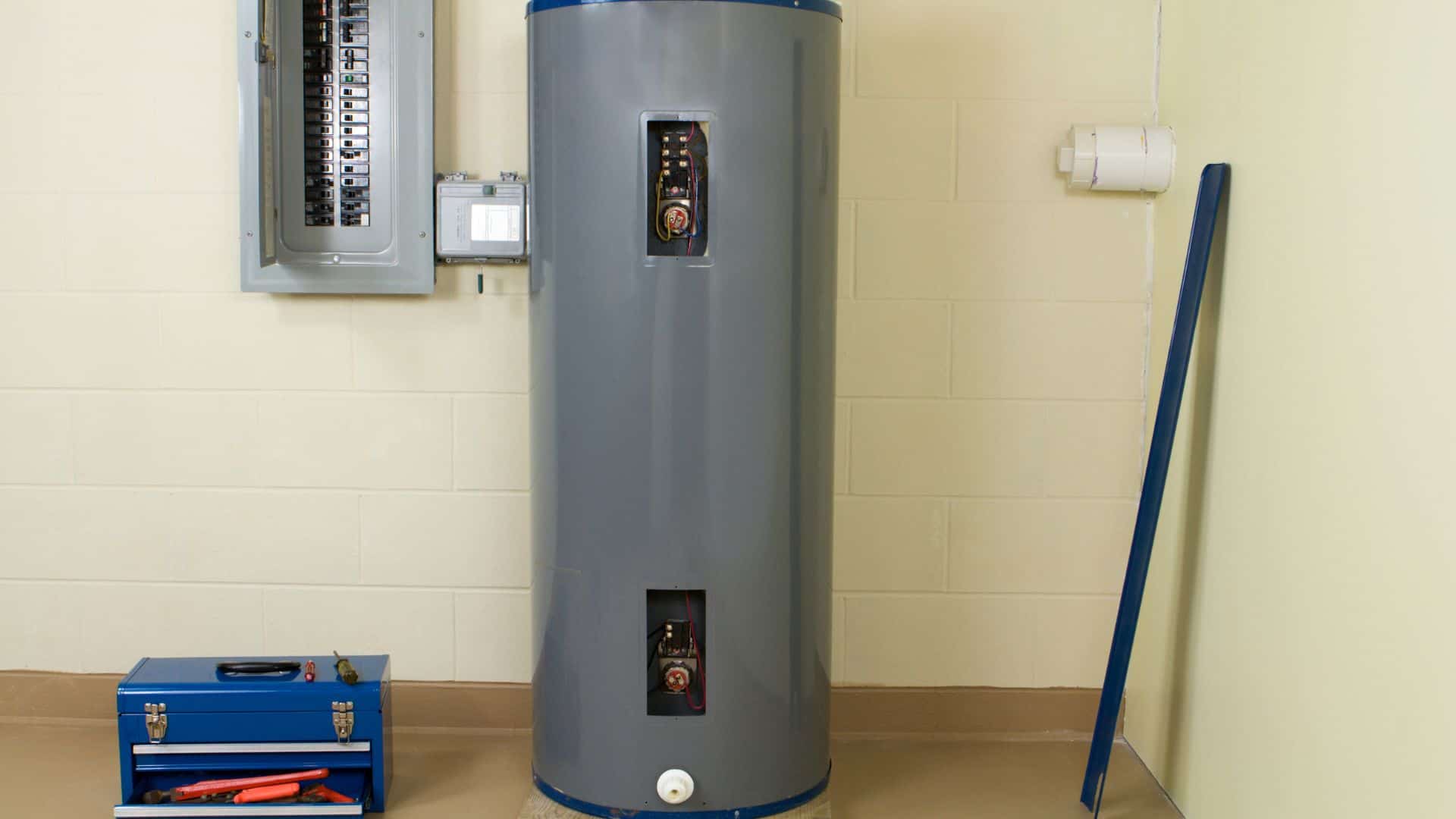
We’ll check your electrical panel to ensure it can handle the new system’s power requirements. Some newer, high-efficiency systems need upgraded wiring or a dedicated circuit. We’ll also look at where your indoor and outdoor units are currently located and determine if those locations still make sense or if better placement is possible.
This is your chance to ask questions. How long will the installation take? What’s included in the price? What warranties come with the equipment and the installation work? Will you need any permits, and who handles that paperwork? We’ll answer all of this clearly and provide a detailed, itemized estimate.
You’ll receive a written proposal that breaks down equipment costs, labor, any ductwork modifications, removal of your old system, permits, and testing. If someone gives you a single number without explaining what’s included, that’s a red flag. Transparent pricing means you know exactly what you’re paying for.
The consultation should never feel like a high-pressure sales pitch. You’re making a major investment, and you deserve time to review options, compare quotes if you want, and make an informed decision. We understand this and give you space to think it through.
After you’ve reviewed everything and signed the agreement, we’ll order your equipment and schedule your installation date. Depending on the time of year and equipment availability, this might happen within a few days or could take a week or two. During peak summer season in Las Vegas, NV, HVAC companies stay busy, so planning ahead when possible helps you avoid longer wait times.
Installation Day: What Actually Happens
Installation day starts with our crew arriving at your home, usually in the morning. We’ll introduce ourselves, confirm the work plan, and start setting up. We protect your floors with drop cloths and organize our tools and equipment to minimize disruption.
The first major task is removing your old HVAC system. This involves safely recovering the refrigerant—something that legally requires EPA certification—disconnecting electrical wiring, and removing the old indoor and outdoor units. Depending on accessibility and how the old system was installed, removal typically takes a few hours.
With the old equipment out, the real work begins. We install the new indoor unit (furnace or air handler) and outdoor condenser, connect refrigerant lines, hook up ductwork, handle all electrical connections, and install your new thermostat. Each step requires precision and attention to detail.
The Step-by-Step Installation Process Explained
Once the old system is removed, we position the new indoor unit first. This might be in your attic, garage, closet, or wherever your current setup is located. We ensure it’s level and securely mounted, with proper clearance for airflow and future maintenance access.
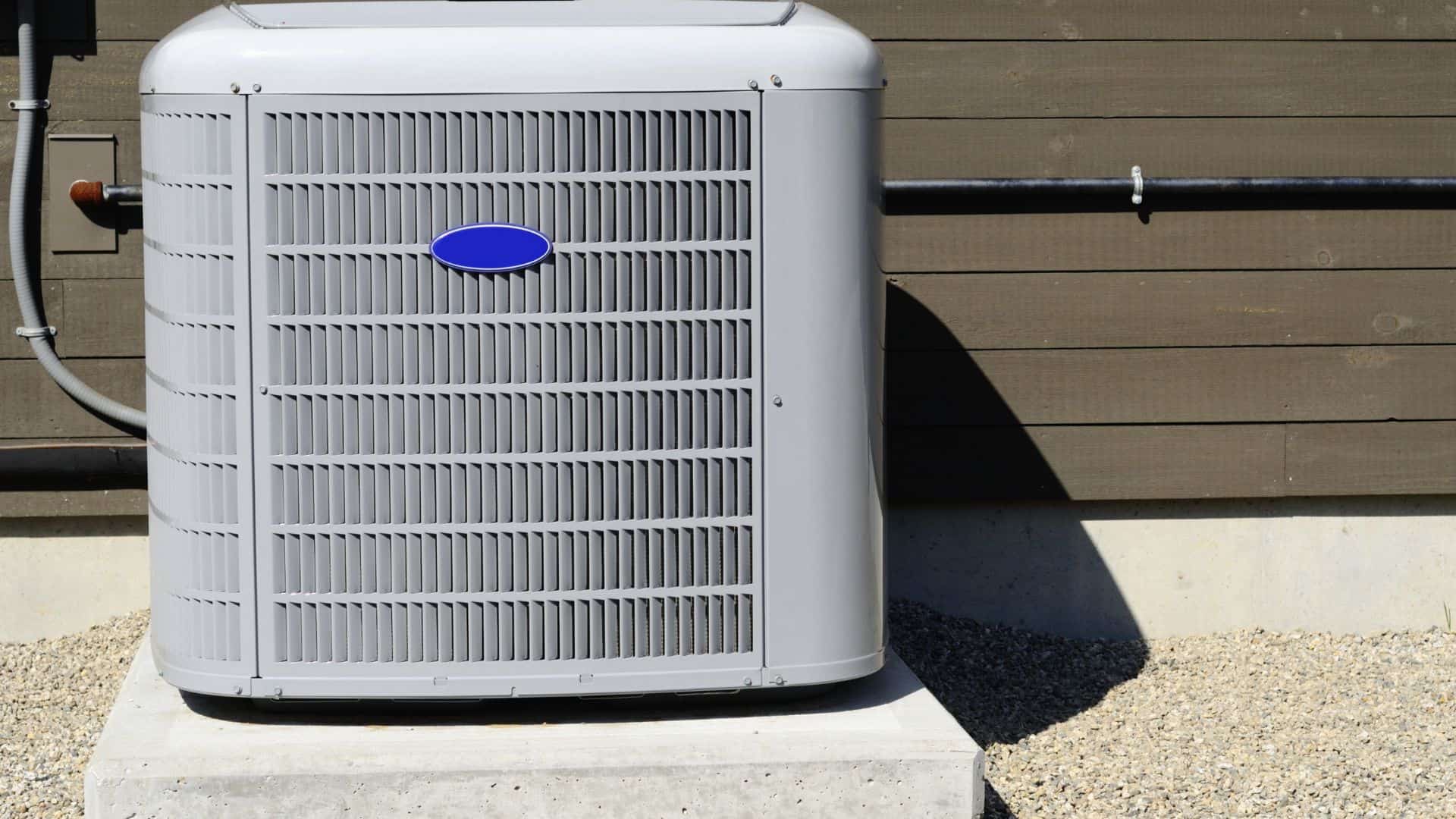
Next comes the outdoor condenser unit. This needs to sit on a level pad—either concrete or a composite material designed for this purpose. The location matters for efficiency and noise. We place it where it has adequate airflow, isn’t blocked by landscaping, and sits in a spot that minimizes noise transfer into your home.
Connecting the two units involves running refrigerant lines between them. These copper lines must be properly sized, carefully routed, and expertly brazed (welded) at connection points. This step requires skill and the right equipment. Improper brazing can lead to refrigerant leaks, contamination, and system failure. That’s why professional HVAC installation matters—this isn’t work for amateurs.
The ductwork gets connected next. If your existing ducts are in good shape, this might just mean connecting the new air handler to the existing duct system. If ducts need replacement or modification, that work happens now and can add several hours to the installation timeline.
Electrical work comes next. We connect power to both the indoor and outdoor units, ensuring proper circuit sizing, grounding, and code-compliant disconnects. We also install and wire your new thermostat. If you’re upgrading to a smart thermostat, we’ll set it up and show you how to use it.
After all physical connections are complete, the system gets charged with refrigerant. We create a vacuum in the refrigerant lines to remove any air and moisture, then add the precise amount of refrigerant specified by the manufacturer. Too much or too little refrigerant reduces efficiency and can damage the compressor.
System Testing and Commissioning: The Step Many Companies Skip
Here’s where professional HVAC installation separates itself from rushed work. Proper commissioning means thoroughly testing every aspect of your new system to ensure it operates correctly and efficiently. Unfortunately, many companies skip this step or do it halfheartedly, turning the system on just long enough to confirm cold air comes out.
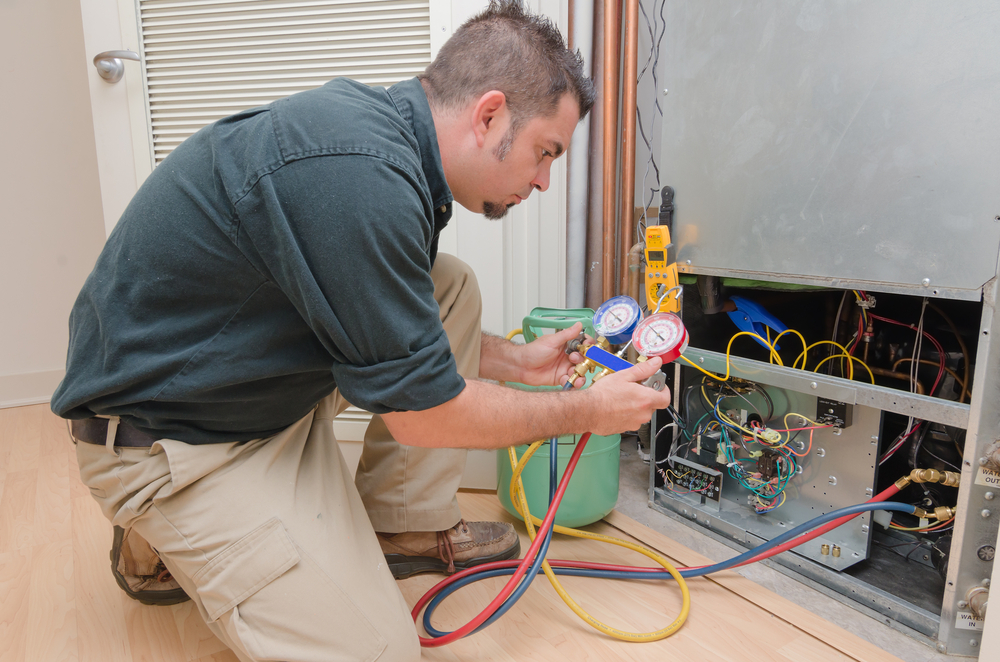
Real commissioning involves checking refrigerant pressures at multiple points, measuring airflow at supply and return vents, verifying the system reaches the correct temperature differential between supply and return air, testing the condensate drain to ensure proper drainage, calibrating the thermostat, and checking all electrical connections under load.
For gas furnaces, commissioning also includes combustion analysis and vent safety checks. These tests confirm the furnace burns fuel efficiently and vents exhaust gases safely outside your home. Skipping these tests isn’t just bad practice—it’s dangerous.
We use specialized tools for commissioning. We’re not just eyeballing things or going by feel. We use digital manifold gauges to check refrigerant pressures, anemometers to measure airflow, and thermometers to verify temperature splits. This equipment costs thousands of dollars, and knowing how to use it properly requires training and experience.
Why does commissioning matter so much? Because it’s the only way to know your system is actually performing as designed. A system might produce cold air but still be operating inefficiently due to incorrect refrigerant charge, poor airflow, or other issues. These problems cost you money every month in higher energy bills and can shorten your system’s lifespan by years.
In Las Vegas, NV’s extreme climate, proper commissioning is even more critical. Your system will work harder here than it would in most other parts of the country. Starting with everything dialed in correctly means it has the best chance of lasting through years of demanding service.
Before we leave, we’ll walk you through operating your new HVAC system. We’ll explain how to change filters, what maintenance you should do, and when to schedule professional tune-ups. We’ll also review warranty information and answer any final questions.
Getting Your HVAC Installation Done Right in Clark County
A full HVAC system installation involves multiple steps that each play a role in how well your system performs. From the initial load calculation that determines proper sizing to the final commissioning tests that verify everything works correctly, professional installation ensures you get the comfort and efficiency you’re paying for.
For most homes in Clark County, NV, you’re looking at 4-8 hours for a straightforward replacement where ductwork is in good shape. More complex installations that involve ductwork modifications or challenging access can take a full day or longer. The timeline depends on your specific situation, but we’ll give you a clear estimate upfront.
The investment you’re making in a new HVAC system is significant. Making sure it’s installed correctly by experienced, certified technicians protects that investment and gives you peace of mind. When you’re ready to move forward with your installation, we bring 18 years of local experience and a commitment to doing the job right the first time.