
Summary:
Your AC just died in the middle of July. Again. Or maybe it’s still limping along, but your energy bills keep climbing and you know the end is near. Either way, you’re facing a decision that’ll affect your comfort and your budget for the next 15 years.
The good news? Air conditioning installation has evolved dramatically, especially for desert climates like ours. The systems going into Las Vegas homes in 2026 are smarter, tougher, and more effective than anything available even five years ago. But not every trend is worth the investment, and knowing which innovations matter in 115-degree heat makes all the difference. Let’s look at what’s changing and why it matters for your home.
Variable-Speed Technology Is Replacing Single-Stage Systems
Walk into most homes built before 2020 and you’ll find an AC that operates one way: full blast or off. It’s like driving a car that only has two speeds—floored or parked. That approach worked well enough when energy was cheap and expectations were lower.
Not anymore. Variable-speed compressors and air handlers are becoming the standard for quality HVAC installations, and the difference is significant. These systems can operate anywhere from 30% to 100% capacity, adjusting their output based on what your home needs at any given moment.
The result? Your system runs longer at lower capacity instead of constantly cycling on and off. That means more consistent temperatures, better humidity control, and energy savings that typically range from 30% to 50% compared to older single-stage equipment. In a climate where your AC runs 8 to 9 months a year, that efficiency compounds fast.
How Variable-Speed Systems Handle Desert Heat Differently
Las Vegas isn’t just hot. It’s relentlessly hot for months on end, with outdoor temperatures regularly pushing past 110 degrees from June through September. Single-stage systems respond to this by running constantly at full capacity, which creates two problems: they consume massive amounts of energy, and they wear out faster.
Variable-speed equipment takes a different approach. During the peak afternoon heat, the system ramps up to meet demand. But during cooler morning hours or when cloud cover provides temporary relief, it dials back to a lower speed that maintains comfort without wasting energy.
This constant, modulated operation also means better air circulation throughout your home. Instead of blasting cold air for 15 minutes and then shutting off for 20, the system delivers a steady, consistent flow. That eliminates the temperature swings that make some rooms feel like a freezer while others stay stuffy.
The technology also extends equipment lifespan. Starting and stopping puts tremendous stress on compressors and motors. By running continuously at lower speeds, variable-speed systems experience less mechanical wear. Given that AC unit replacement in Las Vegas costs between $7,500 and $12,000 for most homes, anything that extends your system’s life by even a few years represents real value.
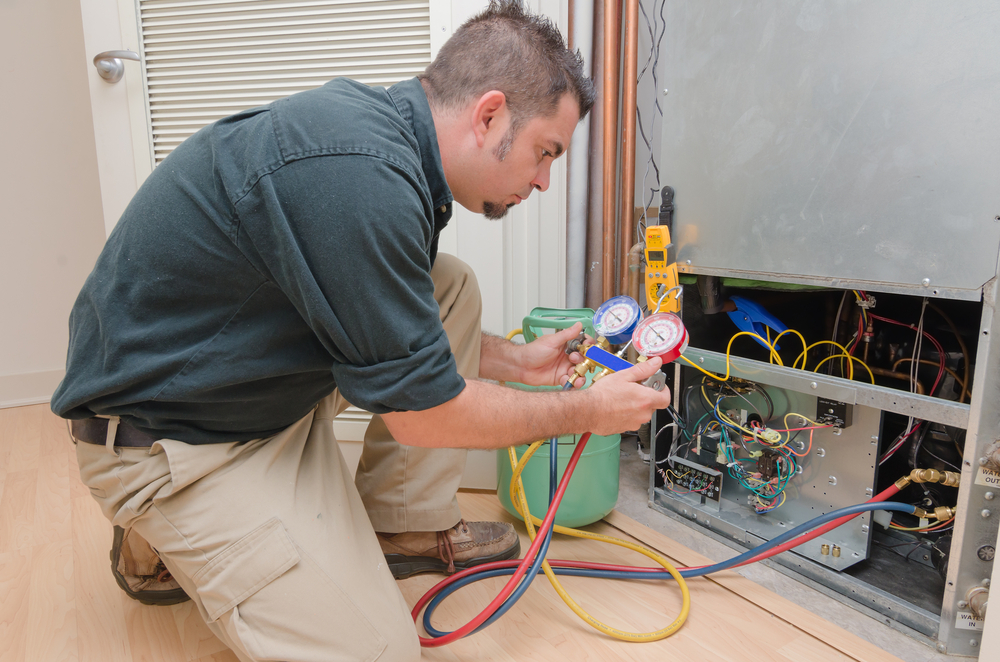
Installation matters here more than with standard systems. Variable-speed equipment requires precise setup—proper refrigerant charge, correct airflow calculations, and compatible controls. Working with a contractor who understands these systems makes the difference between achieving the promised efficiency and ending up with an expensive system that underperforms. This is where experience becomes critical, not optional.
Smart Thermostats and IoT Integration Are Now Standard
The programmable thermostat you installed 10 years ago? It’s already obsolete. Today’s air conditioning installations in Las Vegas are built around smart thermostats that do far more than follow a schedule you set once and forget.
Modern smart thermostats learn your patterns, adjust to weather forecasts, and can be controlled from anywhere via your smartphone. More importantly, they communicate directly with your HVAC equipment to optimize performance in ways older thermostats simply couldn’t.
When paired with variable-speed systems, smart thermostats can make real-time adjustments based on factors like outdoor temperature, humidity levels, and even whether you’re home. Some models integrate with home automation systems to coordinate with window shades, ceiling fans, and other elements that affect your cooling load.
The energy savings are measurable. Studies show smart thermostats reduce cooling costs by 20% to 35% on average, with even better results in extreme climates like ours where AC represents the largest portion of energy bills. But the real advantage is convenience. Forgot to adjust the temperature before leaving for a weekend trip? Handle it from your phone. Want to cool down the house before you get home from work? Done.
Installation of smart thermostats as part of a new AC system also unlocks diagnostic capabilities that weren’t possible before. Many systems now provide maintenance alerts, filter change reminders, and even predictive warnings when components are beginning to fail. That means you can address small issues before they become expensive air conditioning repair emergencies in the middle of summer.
For homeowners in Clark County, this matters because our climate doesn’t allow for downtime. When your AC fails on a 115-degree day, it’s not just uncomfortable—it’s potentially dangerous. Smart systems that can alert you to problems before they cause complete failure provide genuine assurance.
Zoning Systems Solve the Upstairs-Downstairs Temperature Battle
If you live in a two-story home, you know the problem intimately. The downstairs feels comfortable while the upstairs bedrooms are 5 to 10 degrees warmer. Or you set the thermostat low enough to cool the second floor, and now everyone downstairs needs a sweater.
This isn’t a defect. It’s physics. Hot air rises, second floors have more sun exposure, and roof heat radiates downward. For years, the only real solution was to install two separate HVAC systems—one for each floor. That works, but it’s expensive.
Zoning systems offer a better approach, and they’re becoming increasingly common in new AC installations. Motorized dampers installed in your ductwork allow you to control airflow to different areas independently. Each zone gets its own thermostat, and the system adjusts to meet the specific needs of each space.

Why Zoning Works Better with Modern Equipment
Here’s where things get technical, but it matters for your wallet. Adding zones to an old single-stage AC system creates problems. When you close dampers to certain areas, you’re forcing the same amount of air through less ductwork. That increases pressure in the system, which can damage components and reduce efficiency.
The solution? Bypass ducts that redirect excess air back to the return plenum. But that’s inefficient—you’re essentially cooling air that doesn’t need cooling and wasting energy in the process.
Variable-speed systems eliminate this problem entirely. When fewer zones are calling for cooling, the system automatically reduces its output and fan speed. No bypass duct needed. No wasted energy. Just precise delivery of conditioned air to the areas that need it.
This is why zoning and variable-speed technology work so well together. The system can operate effectively whether it’s cooling your entire home or just a single zone. For Las Vegas homeowners, this means you can keep bedrooms cooler at night without over-cooling the rest of the house, or cool the main living areas during the day while letting unused spaces run warmer.
The cost to add zoning during a new AC installation typically runs $1,500 to $3,500, depending on how many zones you want and the complexity of your ductwork. Adding it later to an existing system can cost $3,000 to $6,000 and may not even be possible without significant ductwork modifications. That’s why it makes sense to consider zoning when you’re already replacing your system.
One important consideration: make sure your smallest zone accounts for at least 30% to 35% of your system’s capacity. If zones are too small relative to your equipment’s output, you’ll still experience efficiency issues even with variable-speed technology. We calculate this during the design phase to make sure of the best performance.
High-Efficiency Ratings Built for Extreme Heat
SEER ratings—Seasonal Energy Efficiency Ratio—measure how effectively an AC system operates. The higher the number, the less energy the system uses to produce the same amount of cooling. For years, a SEER 14 system was considered adequate. In Las Vegas in 2026, that’s no longer true.
Modern air conditioning installations are trending toward SEER2 ratings of 16, 18, or even higher. The “2” designation reflects updated testing standards that more accurately represent real-world performance. These high-efficiency systems cost more upfront—typically $1,000 to $2,000 more than basic models—but the math works strongly in your favor.
In a climate where your AC runs nearly year-round, a jump from SEER2 14 to SEER2 18 can reduce your annual cooling costs by 20% to 40%. For a typical Las Vegas home spending $200 to $300 monthly on cooling during summer, that’s $500 to $1,000 in annual savings. Over a 15-year lifespan, you’re looking at $7,500 to $15,000 in reduced energy costs.
But there’s more to it than just the SEER rating. Not all high-efficiency systems are built to handle extreme heat. Some manufacturers design equipment specifically for high-ambient conditions—the industry term for sustained temperatures above 100 degrees. Brands like Lennox, Carrier, Trane, and Daikin have documented performance in these conditions, while budget-tier equipment may struggle when outdoor temps hit 115 degrees.
The difference shows up in reliability. Systems designed for moderate climates and then installed in the desert tend to experience more frequent component failures. Capacitors, contactors, and compressors all face additional stress when operating in extreme heat. Choosing equipment rated for high-ambient performance means fewer breakdowns and longer equipment life—which translates to less need for air conditioning repair and lower overall ownership costs.
High-efficiency systems also qualify for financial incentives that can offset the higher upfront cost. NV Energy offers rebates up to $2,000 for systems with SEER2 ratings of 15.2 or higher. Federal tax credits provide up to $2,000 for qualifying heat pumps. When you stack these incentives with manufacturer promotions, the premium for high-efficiency equipment shrinks considerably.
There’s also a practical consideration specific to Las Vegas: modern systems break down about 70% less than older units when operating in extreme conditions. Given that emergency AC repair calls during peak summer can run $500 to $1,500 or more, reliability has real financial value beyond just energy savings. Regular AC maintenance becomes easier too, since these systems are designed with serviceability in mind.
Making Smart Choices for Desert Climate Cooling
Air conditioning installation in 2026 is fundamentally different than it was even five years ago, especially in extreme climates like Clark County. Variable-speed technology, smart controls, zoning systems, and high-efficiency ratings aren’t just marketing buzzwords—they’re practical solutions to real problems Las Vegas homeowners face.
The key is understanding which trends actually deliver value for your specific situation. A high-efficiency system with smart controls makes sense for almost everyone. Zoning is worth considering if you have a multi-story home or significant temperature variations between rooms. Variable-speed equipment is the foundation that makes everything else work better.
When you’re ready to move forward with a new system, we bring 18 years of local experience, EPA certification, and transparent pricing to every installation, with 24/7 emergency support when you need it most. At Passionate Cooling & Heating LLC, we understand desert-specific requirements and have a proven track record of quality installations throughout Clark County.