Summary:
You’ve heard the standard advice: get your AC serviced once a year. But you live in Las Vegas, where your system runs harder in one summer than most units see in three years anywhere else. That generic recommendation wasn’t written for 115-degree days or dust storms that clog filters in 24 hours.
The maintenance frequency your desert AC actually needs is different—and understanding why could save you from a breakdown on the hottest day of the year. Here’s what Las Vegas homeowners need to know about keeping AC systems running when the stakes are highest.
How Often Should You Get AC Maintenance in Las Vegas?
The short answer: twice a year. Not once. Twice.
That’s not upselling. It’s physics and climate reality. Your Las Vegas AC experiences more stress in six months than systems in moderate climates face in multiple years. When temperatures routinely hit 110 degrees and your unit runs nearly nonstop from May through September, components wear out faster and problems develop quicker.
Most HVAC manufacturers recommend annual maintenance. That works fine in places where AC runs intermittently. But in Clark County, where your system operates 12-16 hours daily for months, that schedule leaves too much time between inspections. Issues that develop mid-summer go undetected until they cause failures.
Why Desert Climate Changes AC Maintenance Frequency
Las Vegas isn’t just hot. It’s historically, record-breakingly hot with conditions that systematically break down air conditioning systems.
When outdoor temperatures exceed 100 degrees, your AC faces a fundamental physics problem. The bigger the gap between indoor and outdoor temperatures, the harder your system works and the less efficient it becomes. Your compressor runs constantly. Your condenser coils overheat. Components designed to last 15 years burn out in 10.
The desert adds insult to injury. Dust clogs your coils faster than anywhere else in the country. A single dust storm can deposit enough debris to clog an air filter in 24 hours—not the 30 to 90 days you’d expect in other climates. That dust accumulation happens faster than most homeowners realize, and your outdoor condenser coils become coated with a layer of dirt and debris that prevents efficient heat release.
Low humidity dries out seals and gaskets. Urban heat islands around apartment complexes and dense neighborhoods trap additional heat around your outdoor unit, making it work even harder. Your system experiences more stress in one Las Vegas summer than systems in temperate climates see in two or three years.
This compressed timeline means you need to be more proactive, not less. Standard advice to service your AC once a year simply doesn’t cut it in Clark County. Your system needs attention before the brutal summer heat arrives and again after months of continuous operation take their toll.
When to Schedule Your AC Tune-Ups for Best Results
Timing your HVAC maintenance isn’t just about convenience. It’s about catching problems before they become emergencies.
Your first tune-up should happen in March through early May, before temperatures climb into triple digits and before every HVAC company’s schedule fills up. Scheduling in spring gives you a critical advantage: if your technician discovers a problem, you have time to fix it before you desperately need your AC. Waiting until June means you’re competing with everyone else who neglected their system, facing longer wait times and potentially higher prices during peak demand.
Your second service should happen in fall, typically October or November. This prepares your heating system for winter use and gives your AC components a post-season inspection after months of extreme stress. Even though Las Vegas winters are mild, your furnace still needs attention to operate safely and efficiently. More importantly, this fall checkup catches wear and damage from the brutal summer before it turns into next year’s expensive repair.
Some Clark County homeowners choose quarterly maintenance because of extreme dust and extended cooling seasons. If you live in a particularly dusty area, have an older system, or run your HVAC year-round, more frequent service visits can catch problems before they escalate.
Between professional visits, you should check your air filter monthly. In Las Vegas, filters get dirty faster than in other climates. It’s smart to check monthly and replace every 30 to 60 days, depending on usage and conditions. A clogged filter restricts airflow and makes your system work harder, which increases energy use and wear on components.
The key is proactive maintenance timed for our specific climate, not reactive repairs when something fails at the worst possible moment. Don’t wait until your AC struggles on the first 115-degree day to discover you needed service weeks ago.
What Happens During an AC Maintenance Visit
A proper AC tune-up isn’t just changing a filter and leaving. It’s a comprehensive inspection designed to catch problems before they cause failures.
Professional maintenance in desert climates requires specialized tools and cleaning solutions to thoroughly remove the buildup that accumulates in our environment. Skipping this deep cleaning is like asking your system to run a marathon while breathing through a straw—technically possible, but you’re going to pay for it.
Here’s what should happen during a thorough maintenance visit.
The Complete AC Tune-Up Checklist for Desert Systems
A comprehensive maintenance visit includes cleaning and inspection of every component that affects performance and reliability.
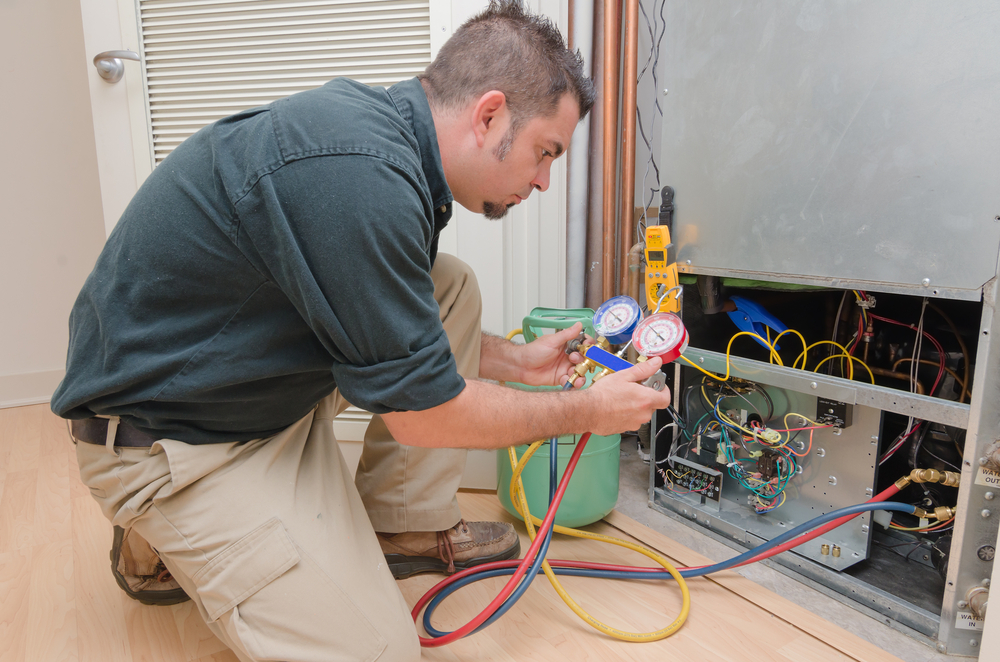
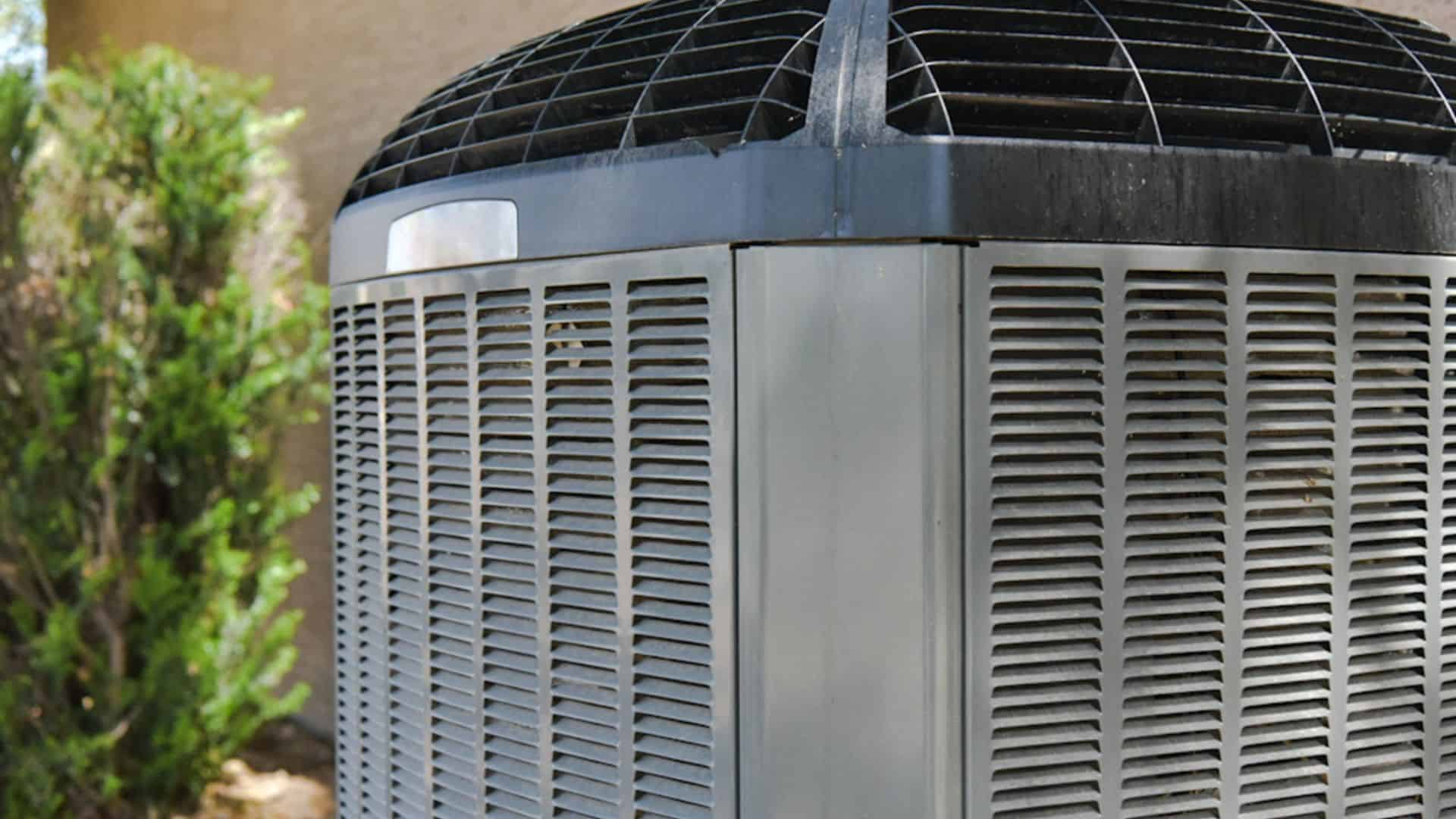
Your technician should clean your AC unit’s coils, filters, and other components, ensuring optimal performance and efficiency. The outdoor condenser coils need special attention because they release heat efficiently, but in Las Vegas they become coated with layers of dirt and debris. That coating acts like insulation, preventing your system from dumping heat effectively.
The service should include checking refrigerant levels and recharging them if necessary, ensuring your AC cools effectively. Low refrigerant forces the compressor to work harder, increasing wear and energy consumption. Eventually, the compressor can fail completely, turning a relatively inexpensive leak repair into a major system replacement.
A thorough inspection of your entire AC system identifies any potential problems and addresses them before they become major issues. This includes measuring amperage draw on the compressor and blower motor, testing capacitor microfarad values, cleaning the condensate drain, measuring temperature differential across the evaporator coil, inspecting the contactor for carbon pitting, and verifying thermostat calibration. Each reading gets compared to the manufacturer’s baseline to catch degradation before it becomes a breakdown.
Electrical connections need inspection and tightening. Las Vegas air conditioners face electrical stresses that systems in moderate climates never experience. When outdoor temperatures exceed 115 degrees, the ambient heat around electrical components approaches their design limits. Capacitors, contactors, and control boards that might last decades elsewhere often fail within 5-8 years in desert conditions.
The drainage line needs clearing to prevent leaks in tight utility areas. Filter loading from desert dust and wind exposure requires attention. Airflow balance matters, especially in two-story layouts where hot air rises and cooling struggles to reach upper floors.
What Regular Maintenance Prevents
The real value of maintenance isn’t what happens during the visit. It’s what doesn’t happen afterward.
Regular tune-ups catch small issues before they become major breakdowns. Capacitor failures account for 31 percent of AC problems in Las Vegas, with high heat accelerating wear on these critical components. Refrigerant leaks make up another 21 percent of failures. Both issues are detectable during routine maintenance, long before they cause your system to stop working on a 110-degree afternoon.
Preventive care extends your equipment’s life significantly. Maintained systems last 15 to 20 years. Neglected systems die in 10 to 12. The math is simple: spend a little now or spend a lot later, replacing the whole thing early.
Energy efficiency improves when systems run clean and properly calibrated. Dirty coils can increase your energy consumption by up to 30 percent. That’s real money on every summer electric bill, month after month. High heat and dust buildup reduce airflow and efficiency, while coil and drain line care helps prevent leaks and odor issues.
Most importantly, consistent maintenance keeps energy costs steady and prevents mid-summer breakdowns. Few situations feel worse than an AC failure during a heatwave. Emergency repairs often cost more and take longer, with after-hours service adding $150 to $350 to a repair call. Regular tune-ups significantly reduce the risk of unexpected breakdowns by addressing minor issues early, before they turn into major failures.
This reliability provides peace of mind during the hottest months of the year. You’re not gambling on whether your system will hold up. You’re investing in prevention that actually works in extreme desert conditions.
Making the Right Maintenance Decision for Your Desert AC
Your Las Vegas AC needs different care than systems in moderate climates. Twice-yearly service isn’t optional when your unit runs 12-16 hours daily through months of triple-digit heat.
Spring maintenance before temperatures climb, monthly filter changes during peak season, and attention to the warning signs your system gives you—these aren’t complicated strategies. They’re practical steps that extend your equipment’s life, prevent expensive emergency repairs, and keep your family comfortable when temperatures soar.
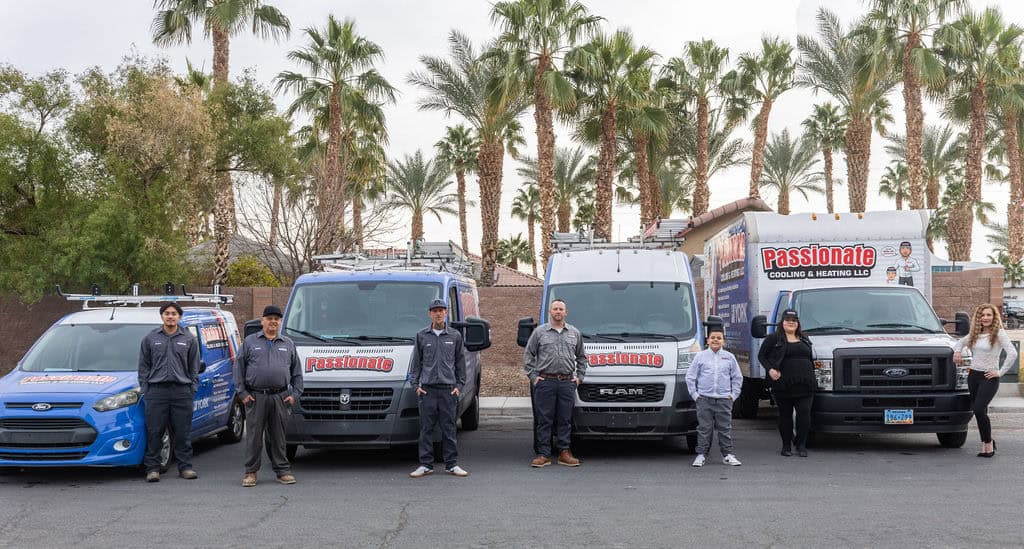
Schedule your maintenance before the summer rush, when you have time to address any issues without the pressure of immediate need. At Passionate Cooling & Heating LLC, we bring 18 years of local experience and the technical expertise to keep systems running efficiently through comprehensive service designed specifically for Clark County’s desert climate—even when the temperature hits 120 degrees.