
Summary:
How Tankless and Traditional Water Heaters Actually Work
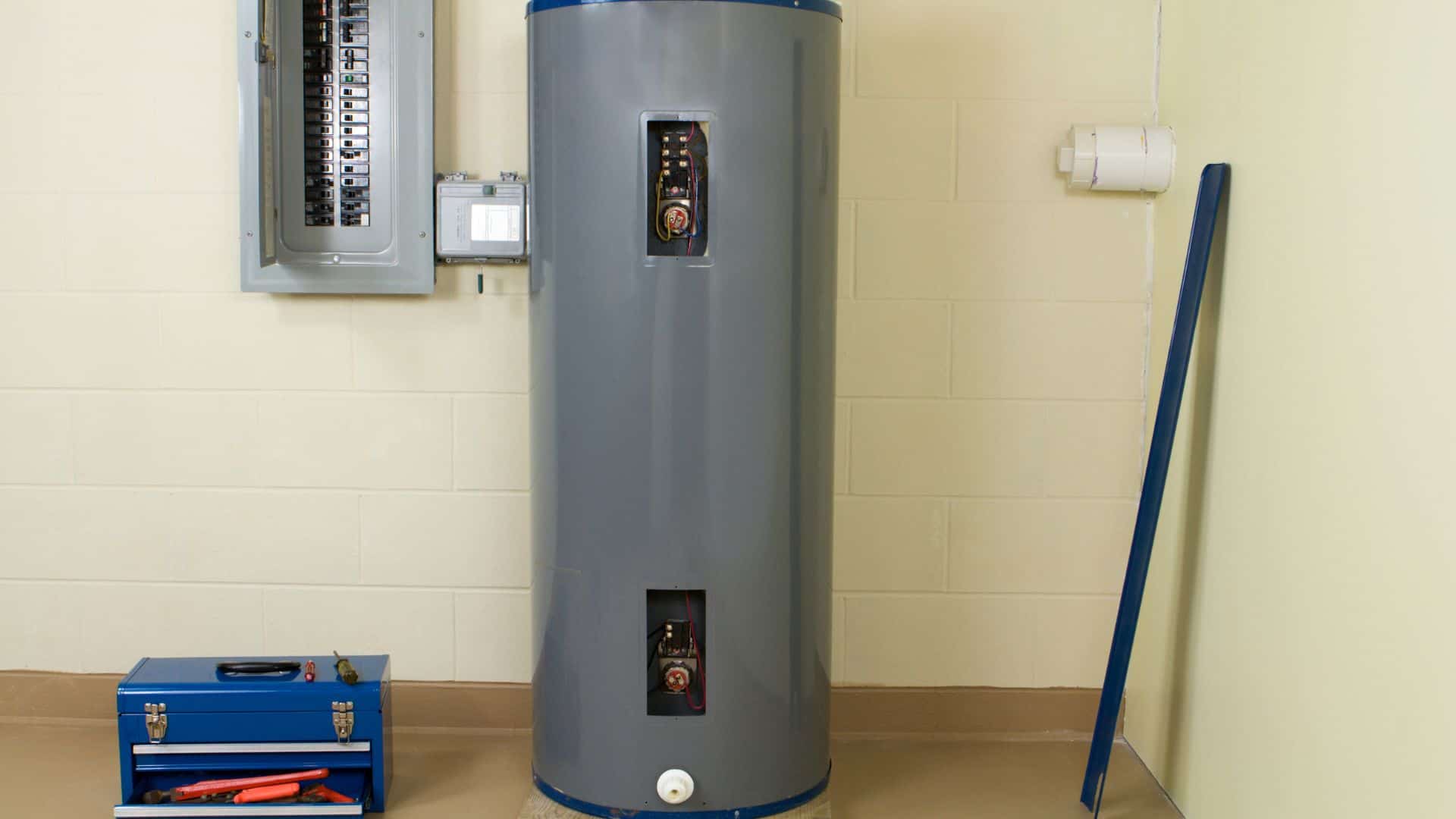
Traditional water heaters store 30 to 80 gallons of hot water in a tank. The system heats the water and keeps it hot around the clock, so when you turn on the faucet, it’s ready. Simple, reliable, and it’s been the standard for decades across Las Vegas, NV.
Tankless water heaters work differently. There’s no storage tank. When you turn on the hot water, cold water flows through the unit and gets heated instantly by a gas burner or electric element. You get hot water on demand, and the system shuts off when you’re done.
The difference isn’t just mechanical. It changes how much energy you use, how much space the system takes up, and how long you can run hot water before anything runs out. That’s where tankless water heater benefits start to show up in your monthly bills and daily routine.
What Happens When You Run Out of Hot Water with a Traditional Tank
If you’ve ever been the last person to shower in the morning, you know exactly what happens when a traditional tank runs out. The water goes from warm to cold, and you’re stuck waiting 30 to 60 minutes for the tank to reheat.
That’s because once you use up the stored hot water, the system has to refill and heat a full tank before you can use it again. For smaller households, a 40 or 50-gallon tank might be fine. But if you have multiple people showering back-to-back, running the dishwasher, and doing laundry all in the same morning, you’re going to hit that limit.
Tank size matters when evaluating the best water heater options for your home. A 30-gallon tank works for one or two people. Families usually need 50 gallons or more. But even a larger tank has a ceiling, and once you hit it, you wait.
The system also uses energy constantly. Even when you’re asleep or at work, the tank is keeping 40-plus gallons of water hot. That’s called standby heat loss, and it’s one of the biggest reasons traditional tanks cost more to operate over time.
In Clark County, NV, where hard water is a given, sediment builds up faster inside the tank. That sediment sits at the bottom, makes the system work harder, and shortens the lifespan. Most traditional tanks last 10 to 15 years, and toward the end of that window, efficiency drops and repairs become more frequent.
How Tankless Water Heaters Deliver Continuous Hot Water
Tankless water heaters don’t store water, so they don’t run out the same way a tank does. As long as water is flowing, the system keeps heating it. That means you can take a 20-minute shower without worrying about the next person getting stuck with cold water. This is one of the most appreciated tankless water heater benefits for busy Las Vegas families.
But there’s a catch. Tankless systems have a flow rate limit, measured in gallons per minute. A typical gas-powered tankless unit can handle 5 to 10 gallons per minute. Electric models usually max out around 2 to 5 gallons per minute.
If someone’s in the shower and someone else starts the dishwasher, you might notice the water temperature drop or the pressure weaken. The system is heating water as fast as it can, but it can only do so much at once.
For larger households in Clark County, that can be a problem. Some people solve it by installing two tankless units or staggering hot water use throughout the day. Others just accept that tankless works best when you’re not running three things at the same time.
The upside is energy savings. Because the system only runs when you need it, you’re not paying to keep a tank hot 24/7. Homes that use less than 41 gallons of hot water per day can see energy efficiency improvements of 24 to 34 percent compared to traditional tanks. Even homes that use more water typically save 8 to 14 percent.
Tankless water heaters also last longer. With proper maintenance and water heater installation by a qualified professional, they can run for 20 years or more. That’s nearly double the lifespan of a traditional tank. The trade-off is that they cost more upfront and require annual maintenance, especially in areas with hard water like Las Vegas, NV.
Upfront Costs vs Long-Term Savings for Water Heater Installation Las Vegas
Let’s talk money. Traditional water heaters are cheaper to buy and install. For water heater installation Las Vegas homeowners typically pay $800 to $1,500 for a traditional tank, including installation. Tankless systems run $1,500 to $3,500, depending on the size, fuel type, and how much work your home needs to accommodate the new unit.
That’s a significant gap. But it’s not the full picture when weighing the best water heater options. Tankless systems cost less to operate. Lower monthly energy bills add up over time, and the longer lifespan means you’re not replacing the unit as often.
The question is whether the upfront investment makes sense for your situation. If you’re planning to stay in your Clark County home for 10-plus years, the long-term savings usually tip the scale. If you’re planning to sell soon, a traditional tank might make more sense unless a tankless system adds value to the sale.
What Drives Water Heater Installation Costs in Clark County
Installation costs for water heater installation Las Vegas projects depend on what your home is set up for. If you’re replacing an old tank with a new tank, the job is straightforward. The plumbing and gas or electric lines are already in place. Most installations take a few hours.
Switching from a tank to a tankless water heater is more involved. Tankless units often need upgraded gas lines because they require more gas flow than a traditional tank. Venting requirements are different too. Some units need new electrical connections or upgraded panels to handle the load.
If your home wasn’t built with tankless in mind, expect to pay for those modifications. That’s part of why the upfront cost is higher. It’s not just the unit—it’s the work required to make it function safely and efficiently.
Clark County, NV also requires permits and inspections for water heater installations, especially for gas-powered systems. That’s not optional. A licensed professional handles the permitting process and makes sure everything meets local building codes. Skipping that step can void warranties, create safety hazards, and cause problems down the line if you sell the home.
Las Vegas’s hard water adds another layer. Mineral-rich water accelerates wear on both types of systems, but it affects them differently. Traditional tanks accumulate sediment at the bottom, which reduces efficiency and can lead to early failure. Tankless water heaters are prone to scale buildup inside the heat exchanger, which requires annual flushing to prevent damage.
Some homeowners install a water softener or filtration system alongside their water heater. That reduces mineral buildup, protects the equipment, and makes maintenance easier. It’s an additional cost, but it extends the life of the system and keeps it running efficiently—a smart move when evaluating energy-efficient water heaters for your home.
Monthly Operating Costs and Energy-Efficient Water Heaters
Traditional tanks use more energy because they’re always on. Even when you’re not using hot water, the system is maintaining temperature. That’s where standby heat loss comes in. You’re paying to keep 40 to 80 gallons of water hot, whether you need it or not.
On average, electric tank water heaters cost $30 to $50 per month to operate. Gas models are slightly cheaper, running $20 to $35 per month. Those numbers vary based on local energy rates, how much hot water you use, and how efficient your specific unit is.
Energy-efficient water heaters like tankless systems eliminate standby loss. They only use energy when you turn on the hot water. For most households, that translates to noticeable savings on monthly utility bills. The exact amount depends on your water usage, but many families see their water heating costs drop by 30 to 50 percent—one of the most compelling tankless water heater benefits.
The savings aren’t just about the monthly bill. Over the 20-year lifespan of a tankless system, those lower operating costs add up. When you factor in fewer replacements and lower energy use, the total cost of ownership often favors tankless, even with the higher upfront price.
But there’s a caveat. If your household uses a lot of hot water simultaneously—multiple showers, laundry, dishwasher all running at once—a tankless system might struggle to keep up. In that case, you’d need a larger unit or multiple units, which increases both the upfront cost and the complexity of the installation.
For some Clark County homes, a traditional tank just makes more sense. It’s not about which system is “better.” It’s about which one fits how you actually live.
Choosing the Best Water Heater Options for Your Clark County Home
There’s no universal answer here. Tankless water heaters offer energy savings, longer lifespan, and endless hot water, but they cost more upfront and require proper sizing to handle your household’s demand. Traditional tanks are affordable, straightforward, and reliable, but they use more energy and need replacing more often.
Think about how your household uses hot water. If you’re constantly running out or dealing with back-to-back showers, tankless might solve that problem. If your current setup works fine and you just need a replacement, sticking with a traditional tank could be the simpler, more cost-effective move.
Consider your home’s infrastructure too. Older homes might need significant upgrades to support a tankless system. Newer homes or those with existing gas lines and proper electrical capacity make the transition easier for water heater installation Las Vegas projects.
And factor in Las Vegas’s hard water. Both systems need maintenance here, but tankless units require annual descaling to prevent mineral buildup from damaging the heat exchanger. If you’re not willing to commit to that upkeep, a traditional tank with regular flushing might be the better fit among your water heater options.
If you’re weighing your options and want to talk through what makes sense for your specific situation, we can walk you through it. With 18 years of experience serving Clark County, NV, we understand how local water conditions and climate affect these systems, and we’ll give you transparent pricing and honest guidance on what works for your home.