Summary:
What HVAC Maintenance Actually Includes
Professional HVAC maintenance goes far beyond changing a filter. A comprehensive tune-up examines every component that affects your system’s performance, efficiency, and safety.
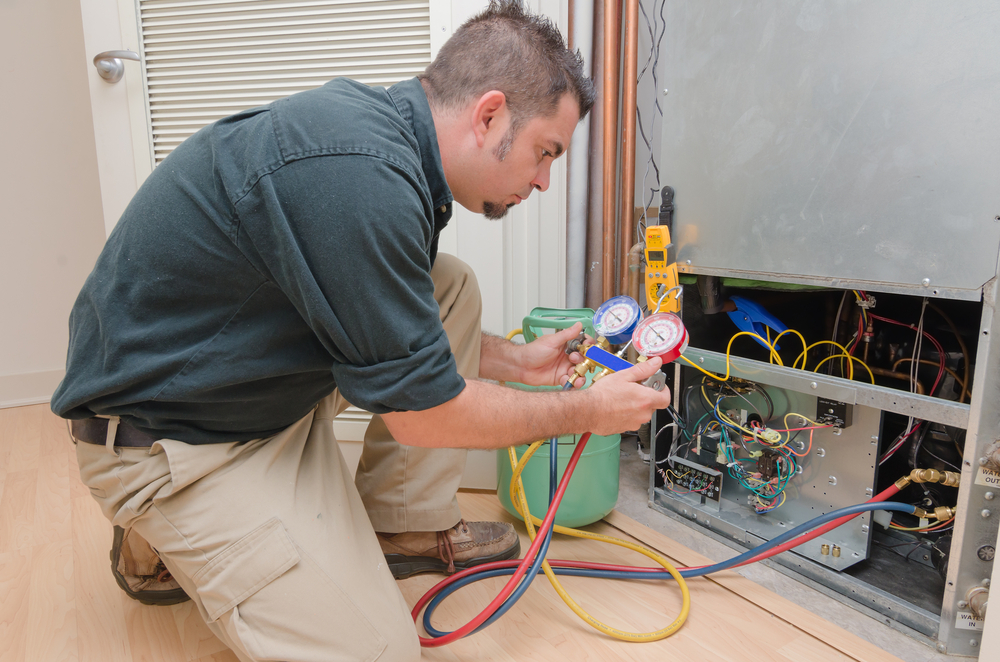
Our technicians inspect electrical connections, measure refrigerant levels, clean condenser and evaporator coils, check airflow, test thermostat accuracy, and lubricate moving parts. We also examine your ductwork for leaks, verify proper drainage, and look for early warning signs of component wear.
In Las Vegas, this inspection takes on added importance. Desert dust clogs coils faster, extreme heat stresses electrical connections, and continuous operation wears components at accelerated rates. A thorough maintenance visit catches these issues before they cascade into system failure during a July heatwave.
How Regular Tune-Ups Reduce Your Energy Bills
Every homeowner asks the same question: does maintenance really save enough to justify the cost? The numbers tell a clear story.
A well-maintained HVAC system uses 10-25% less energy than a neglected one. For the average Las Vegas home, that translates to $180-$300 in annual savings—more than enough to cover your maintenance costs. Some homeowners see energy bills drop from $400+ during peak summer to $250-$280 after implementing regular maintenance.
The savings come from multiple sources. Clean coils transfer heat more efficiently. Proper refrigerant levels mean your compressor doesn’t overwork. Sealed ductwork delivers cooled air to rooms instead of heating your attic. Calibrated thermostats prevent the system from running longer than necessary.
Las Vegas systems face a particular challenge. When dust builds up on your condenser coils, even moderate buildup can increase electricity use by 39% for a 3-ton unit and 47% for a 5-ton system. That’s not a minor efficiency loss—it’s like throwing money directly into the desert heat.
Your system also runs 10-11 months per year here, compared to 5-6 months in moderate climates. Every percentage point of efficiency loss gets multiplied across thousands of operating hours. A system that’s 15% less efficient doesn’t just cost you 15% more for a few months—it costs you more almost every single month of the year.
Maintenance addresses the specific factors that kill efficiency in desert conditions. We clean dust from outdoor units, check for proper airflow in systems stressed by constant operation, and verify that every component is optimized for the workload your Las Vegas home demands.
The Department of Energy found that well-maintained HVAC systems cut energy use by 15-20%. In a climate where your AC is your largest energy expense, that reduction shows up immediately in your monthly bills.
Preventing Costly Emergency Repairs Through Early Detection
Emergency HVAC repairs don’t just cost more because of after-hours rates. They cost more because small problems have already grown into major failures.
A refrigerant leak caught during maintenance might cost $150 to repair. That same leak, left unaddressed, leads to compressor failure—a $1,200-$2,000 repair that often means replacing your entire outdoor unit. A worn capacitor identified during a tune-up costs $75-$150 to replace. When that capacitor fails and takes out your fan motor, you’re looking at $400-$800 in repairs.
Las Vegas homeowners face particularly high stakes. Your system doesn’t get a break. It runs 12-16 hours daily from May through September, accelerating wear on every moving part. Compressors, fan motors, capacitors, and electrical connections all deteriorate faster under continuous stress.
The extreme temperature differential makes it worse. Your system is trying to maintain 72°F inside while it’s 115°F outside—a 43-degree gap that forces equipment to work at maximum capacity for hours on end. Components that might last 15 years in moderate climates fail in 10 years here, or less if you skip maintenance.
During a professional tune-up, our technicians catch the warning signs you’d never notice. We measure refrigerant pressure and spot slow leaks. We test electrical connections and find ones that are beginning to fail. We listen to your compressor and hear the subtle changes that indicate bearing wear. We inspect your blower motor and notice when it’s drawing more amperage than it should.
These early interventions prevent the cascade effect. One failing component often damages others. A clogged drain line leads to water damage and mold. Low refrigerant causes your evaporator coil to freeze, which damages your blower motor. A failing capacitor makes your compressor work harder, shortening its lifespan.
The math is straightforward. Most homeowners pay $100-$650 for emergency repairs when they skip maintenance. Regular tune-ups cost $175-$350 and catch problems before they become emergencies. You’re not just saving money on the repair itself—you’re avoiding the inconvenience of a broken system during the hottest weeks of summer, when wait times for service stretch to days and you have limited negotiating power.
Professional maintenance also gives you time to plan for necessary repairs. Instead of facing an unexpected $1,500 bill for a failed compressor, you get advance warning that your compressor is showing signs of wear and might need replacement within the next 12-18 months. That advance notice lets you budget, research options, and schedule the work during off-peak season when costs are lower.
Recommended HVAC Maintenance Schedule for Las Vegas Homes
The standard advice is to service your HVAC system once or twice per year. In Las Vegas, that recommendation shifts toward the higher end—and for good reason.
Most HVAC professionals recommend servicing your system at least twice per year: once in spring before cooling season and once in fall before heating season. This biannual approach ensures both your AC and heating components receive attention before they face peak demand.
For Las Vegas homes, spring maintenance is non-negotiable. Your AC needs to be inspected, cleaned, and optimized before temperatures hit triple digits. Waiting until summer means you’re gambling with a system that hasn’t been checked in a year, right when you need it most.
Spring AC Maintenance: Preparing for Desert Summer
Spring maintenance prepares your cooling system for the brutal months ahead. Ideally, you want this service completed in March or April—before the first 100-degree day.
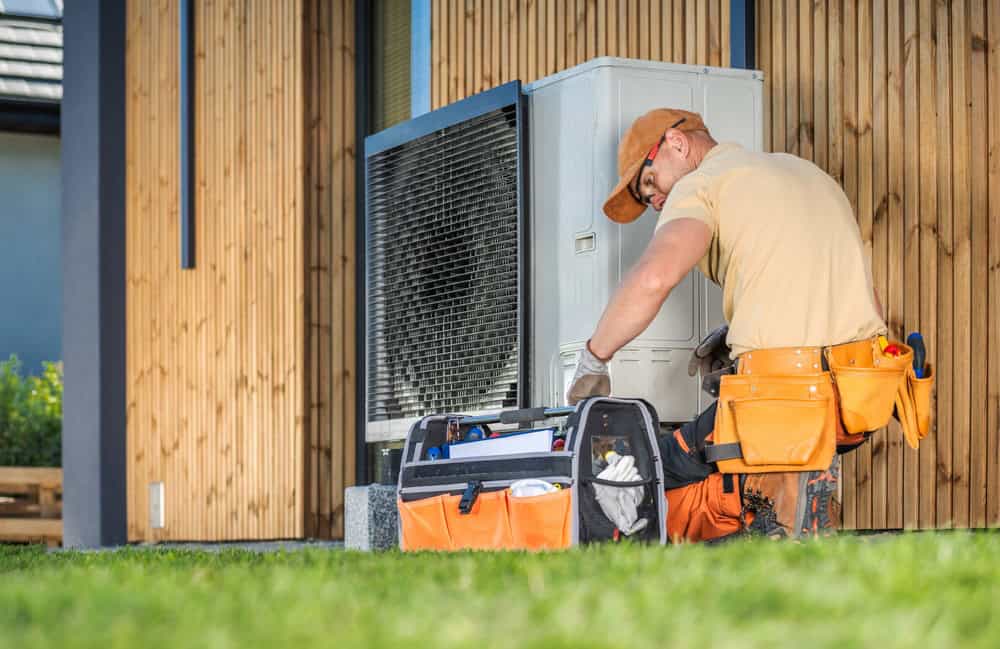
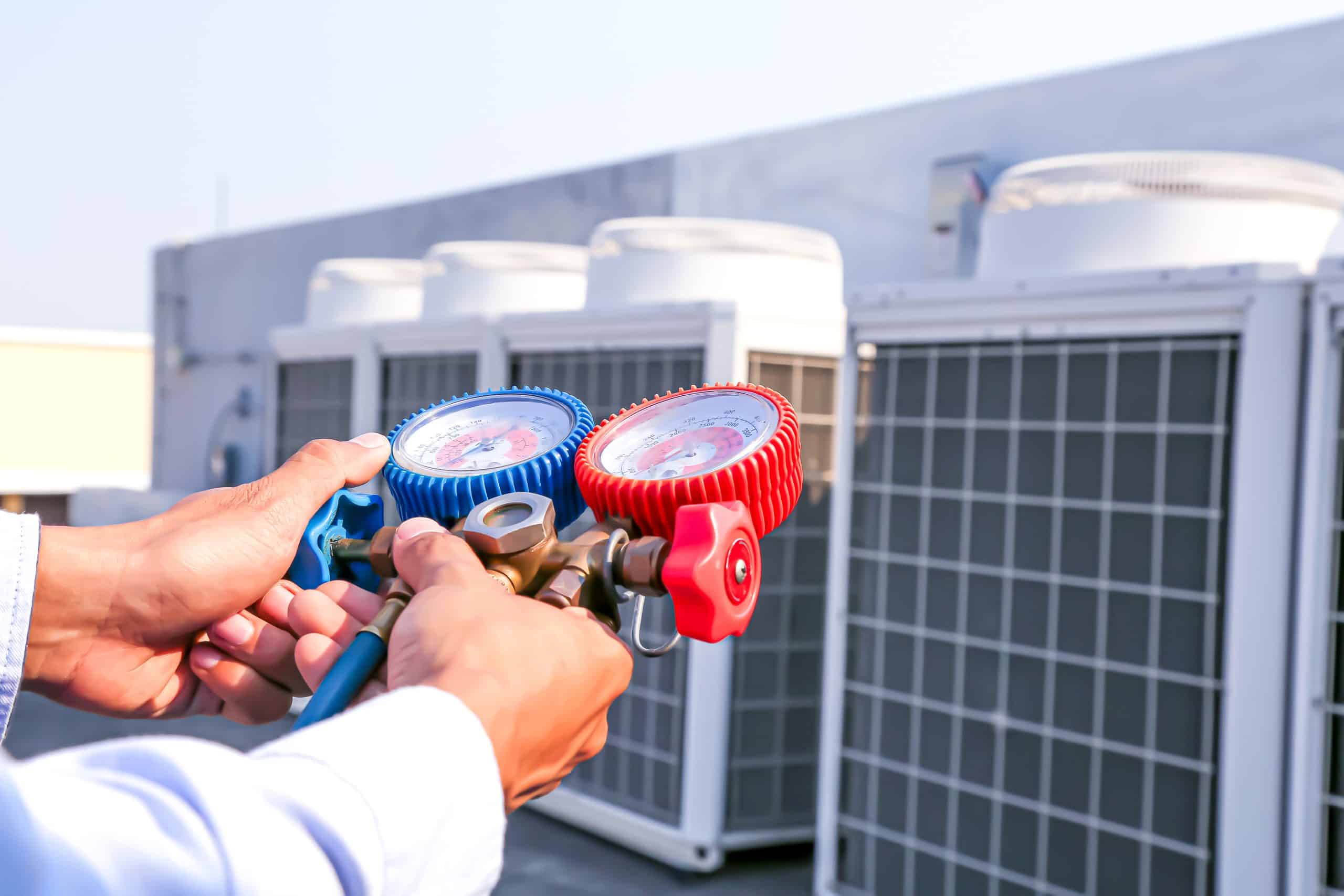
During spring service, we focus on your cooling components. We clean your outdoor condenser unit, removing the winter dust and debris that accumulated even during months when you weren’t running AC. We inspect and clean your evaporator coil, check refrigerant levels, test your condensate drain, and verify that your thermostat is accurately reading temperatures.
Las Vegas spring maintenance includes some desert-specific checks. We look for dust infiltration in areas that wouldn’t be a concern in humid climates. We check seals and gaskets that may have dried out from low humidity. We verify that your outdoor unit has adequate clearance and isn’t being choked by landscaping or heat radiating from nearby surfaces.
We also test your system under load. It’s one thing to verify components when it’s 75°F outside. It’s another to know your system will hold up when outdoor temperatures reach 110°F and your AC runs for 14 hours straight. Spring maintenance catches issues before that stress test happens with your family’s comfort on the line.
The inspection also addresses the accumulated wear from last summer. Your system ran constantly for months. Components that seemed fine in October may have deteriorated over the winter or may be on the edge of failure. Spring maintenance identifies these issues while you still have time to address them before peak season.
For homeowners with older systems—anything over 10 years—spring maintenance becomes even more critical. Older equipment is more likely to have worn components, and Las Vegas heat accelerates that wear. A thorough spring inspection gives you a realistic assessment of your system’s condition and helps you make informed decisions about repairs versus replacement.
Fall Furnace Maintenance: Don't Overlook Desert Winters
Las Vegas winters are mild compared to most of the country, but your heating system still needs attention. Desert nights get cold, and when your furnace hasn’t been serviced in a year, small issues can turn into big problems.
Fall maintenance focuses on your heating components. We inspect your heat exchanger for cracks, test your ignition system, check gas connections and pressure, verify proper venting, clean burners, and test safety controls. For heat pump systems, we check both heating and cooling functions since you’ll use both throughout the year.
Safety is a primary concern with heating maintenance. A cracked heat exchanger can leak carbon monoxide into your home—an invisible, odorless danger that’s completely preventable with annual inspection. Gas connections that have loosened over time can create fire hazards. Proper venting ensures combustion byproducts exit your home safely.
Fall maintenance also addresses the unique wear pattern of Las Vegas systems. Your furnace might only run heavily for a few months, but your entire HVAC system has been working almost continuously for the past year. Electrical connections, blower motors, and ductwork serve both heating and cooling, and they need inspection regardless of which function you’re using most.
The temperature swings in Las Vegas also stress your system. You might run AC during the day and heat at night during spring and fall. That constant switching between heating and cooling modes puts additional strain on components, particularly on heat pumps that handle both functions. Fall maintenance ensures everything is ready for that back-and-forth demand.
For homeowners with traditional split systems—separate AC and furnace—fall is also the time to verify that your entire system is working together efficiently. Your blower motor serves both systems. Your ductwork handles both cooled and heated air. Your thermostat controls both functions. Fall maintenance ensures these shared components are ready for another full year of desert climate demands.
Scheduling both spring and fall maintenance creates a rhythm that protects your investment year-round. You’re not just maintaining a cooling system or a heating system—you’re maintaining a complete HVAC system that operates nearly continuously in one of the most demanding climates in the country.
Making HVAC Maintenance Work for Your Budget and Schedule
Regular HVAC maintenance isn’t an expense—it’s an investment that pays for itself through lower energy bills, fewer emergency repairs, and extended equipment life. In Las Vegas, where your system faces extreme heat and near-constant operation, preventive care is the difference between a system that lasts 10 years and one that serves you for 15-20.
The numbers support the investment. Maintenance costs $175-$350 twice per year. Energy savings alone can total $180-$300 annually. Add in the emergency repairs you avoid—averaging $300-$600 per incident—and the math becomes clear. You’re not spending money on maintenance; you’re saving money that would otherwise go to higher utility bills and repair costs.
The key is consistency. One maintenance visit helps, but establishing a regular schedule—spring and fall, every year—gives you the full benefit. Your system stays clean, efficient, and reliable. Problems get caught early when they’re inexpensive to fix. And you gain peace of mind knowing your HVAC won’t fail during a 115-degree heatwave.
If you’re ready to protect your HVAC investment and start saving on energy costs, we bring 18 years of local experience and deep understanding of what desert climate does to HVAC systems. Our EPA-certified technicians know exactly what to look for in Clark County homes and how to keep your system running efficiently year-round.