
Summary:
How Air Ducts Impact Your HVAC System Performance
Think of your ductwork as the delivery system for your HVAC. Your furnace or air conditioner does the work of heating or cooling the air, but it’s the ducts that carry that conditioned air to every room in your house. If those ducts are leaking, disconnected, or undersized, a significant portion of that air never makes it to where you need it.
The average HVAC system loses about 20% of its conditioned air through leaks in the ductwork. In a place like Clark County, NV where your AC is working overtime during 115-degree summers, that’s not just a minor inefficiency—it’s a constant drain on your system and your wallet. When ducts leak, your HVAC has to run longer and work harder to maintain the temperature you want, which means higher energy bills and more wear on the equipment.
Proper air duct installation ensures that the air your system produces actually reaches the rooms it’s supposed to. It’s not glamorous, but it’s one of the most effective ways to improve your home’s comfort and energy efficiency without replacing your entire HVAC system.
Why Ductwork Matters More in Desert Climates
Las Vegas, NV isn’t your typical climate, and your HVAC system knows it. When you’re dealing with months of triple-digit heat, your air conditioner isn’t cycling on and off like it would in a milder area. It’s running almost continuously from May through September, sometimes longer. That kind of demand puts serious stress on every part of your system, including the ductwork.
In the desert, ducts face challenges that don’t exist in other climates. Attics in Las Vegas can hit 140 degrees during the summer. If your ducts run through that space without proper insulation and sealing, you’re essentially pushing cold air through an oven before it reaches your living room. The temperature loss is massive, and your system has to compensate by working even harder.
Then there’s the dust. Desert air carries fine particles that infiltrate homes faster than almost anywhere else. When ducts have leaks or gaps, they don’t just lose conditioned air—they also pull in dust, insulation fibers, and other contaminants from attics and crawl spaces. That dirty air gets circulated throughout your home, which is why so many homeowners in Summerlin, Henderson, and throughout the valley notice excessive dust no matter how often they clean.
The constant expansion and contraction from extreme temperature swings also take a toll. Metal ductwork expands when hot air passes through in winter and contracts with cold air in summer. Over time, this movement can loosen connections, create gaps at joints, and cause seals to fail. What started as a small leak can turn into a major efficiency problem within a few years.
Systems in Las Vegas often run 10 to 11 months per year, which can cut the expected lifespan of your equipment by 25 to 40% compared to moderate climates. Properly installed and maintained ductwork helps offset some of that strain by ensuring your system doesn’t have to work any harder than necessary. When your ducts are doing their job efficiently, your HVAC unit can focus on conditioning air instead of compensating for losses.
Signs Your Ductwork Isn't Working Properly
Most ductwork problems develop gradually, so it’s easy to miss the signs until they become obvious. But if you know what to look for, you can catch issues early before they turn into expensive repairs or sky-high energy bills.
Uneven temperatures are usually the first clue. If one bedroom is always freezing while another stays stuffy, that’s often a ductwork issue. It could be a disconnected duct, a blockage, or simply poor design that’s sending too much air to some rooms and not enough to others. Your thermostat might say 72 degrees, but if half your house doesn’t feel like it, your ducts aren’t distributing air the way they should.
Higher energy bills without any change in your usage are another red flag. When ducts leak, your HVAC system has to run longer to reach the temperature you’ve set. That extra runtime shows up on your electric bill month after month. If your bills have been creeping up and your system seems to run constantly, leaky ductwork is a likely culprit.
Excessive dust is more than just annoying—it’s often a sign that your ducts are pulling in contaminated air from unconditioned spaces. When return ducts have leaks or gaps, they create negative pressure that sucks in air from attics, crawl spaces, or even garages. That air carries dust, insulation particles, and sometimes even fumes or allergens. No matter how often you change your air filter, the dust keeps coming back because it’s bypassing the filter entirely.
Strange noises coming from your vents can indicate loose ductwork, disconnected sections, or gaps where air is escaping. Rattling, whistling, or banging sounds aren’t normal, and they usually mean something has come loose or wasn’t installed correctly in the first place.
Visible damage is the most obvious sign but also one of the easiest to overlook since most ductwork is hidden. If you can access your ducts in the attic, basement, or crawl space, look for sections that are crushed, kinked, or sagging. Check connections for gaps or areas where sections have pulled apart. Even small gaps can cause significant air loss over time.
Age matters too. Ductwork typically lasts 10 to 20 years depending on the material and how well it was installed. If your ducts are approaching that age and you’re noticing any of the issues above, it’s probably time for an inspection. Older ducts were often installed with materials and techniques that don’t meet current standards, and they may not be sized correctly for modern, more efficient HVAC systems.
What Proper Air Duct Installation Involves
Professional duct installation isn’t just about running some metal tubes through your attic. It’s a detailed process that starts with understanding your home’s specific heating and cooling needs. A proper installation takes into account your home’s size, layout, insulation levels, and even how many windows you have and where they’re located.
Load calculations are the foundation of good duct design. These calculations determine exactly how much conditioned air each room needs based on its size, sun exposure, and other factors. From there, the ductwork is sized and routed to deliver the right amount of airflow to each space. Undersized ducts restrict airflow and make your system work harder. Oversized ducts can reduce air velocity and create temperature inconsistencies. Getting the sizing right is critical for both comfort and efficiency.
The installation process itself involves careful attention to sealing and support. Every joint and connection needs to be sealed with the right materials—usually mastic sealant or metal-backed foil tape, not the cloth duct tape you’d find at a hardware store. Proper sealing prevents air leaks that waste energy and reduce system performance. Ducts also need to be properly supported to prevent sagging, which can restrict airflow and put stress on connections over time.

Why Professional Installation Matters
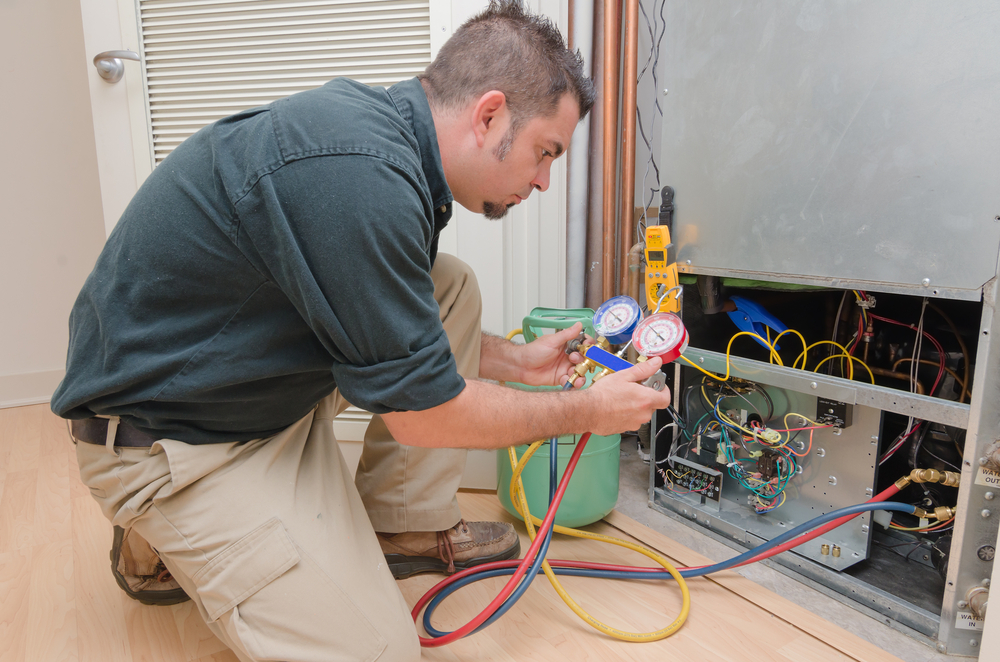
There’s a reason ductwork installation isn’t a typical DIY project. It requires specialized knowledge, tools, and experience to do it right. Professional HVAC contractors understand airflow dynamics, building codes, and the specific requirements for different climates. We know how to design a system that balances airflow, minimizes energy loss, and meets local code requirements.
In Las Vegas, NV, we also understand the unique challenges of the desert climate. We know that ducts running through 140-degree attics need proper insulation and that seals need to withstand extreme temperature swings. We understand how dust infiltration happens and how to prevent it. We’ve seen what happens when corners are cut, and we know which materials and techniques hold up over time in this environment.
Building codes exist for good reasons, and professional installation ensures your ductwork meets those standards. This isn’t just about passing an inspection—it’s about safety, efficiency, and protecting your investment. Improper installation can create fire hazards, allow dangerous gases to enter your home, or void your HVAC system’s warranty. When something goes wrong with DIY or substandard ductwork, the cost to fix it properly often exceeds what professional installation would have cost in the first place.
Professional installers also have the equipment to test the system after installation. We can measure airflow to each room, check for leaks using pressure testing, and verify that the system is balanced correctly. These tests catch problems before they become expensive issues and ensure you’re getting the performance and efficiency you paid for.
The difference between a professional installation and a rushed job shows up in your energy bills, your comfort, and how long your HVAC system lasts. Quality ductwork installation is an investment that pays for itself through lower operating costs, fewer repairs, and better overall performance. In a climate where your AC runs nearly year-round, that difference adds up quickly.
Energy Savings and Long-Term Benefits
New or properly sealed ductwork can reduce your heating and cooling costs by 10 to 30%. For a homeowner in Clark County, NV spending $300 to $400 per month on cooling during the summer, that translates to real savings—potentially $60 to $120 per month during peak season. Over the course of a year, properly functioning ductwork can save hundreds of dollars in energy costs.
But the benefits go beyond just lower bills. When your ductwork is doing its job efficiently, your HVAC system doesn’t have to work as hard. That reduced strain means fewer breakdowns, less frequent repairs, and a longer lifespan for your equipment. HVAC systems in Las Vegas already face shortened lifespans due to constant use in extreme heat. Anything you can do to reduce that strain helps protect your investment.
Comfort improves too. When ducts are sealed and balanced properly, every room gets the airflow it needs. Hot spots and cold spots disappear. The system reaches your desired temperature faster and maintains it more consistently. You’re not constantly adjusting the thermostat or closing vents in some rooms to redirect air to others.
Indoor air quality also benefits from proper ductwork. Sealed ducts prevent dust, allergens, and other contaminants from entering the system and circulating through your home. For families with allergies, asthma, or other respiratory sensitivities, this can make a noticeable difference in daily comfort and health. Clean air isn’t just about what your filter catches—it’s also about preventing contaminated air from entering the system in the first place.
Properly installed ductwork also increases your home’s value. When it comes time to sell, buyers and home inspectors look at the condition and efficiency of major systems. Well-maintained, properly functioning ductwork signals that the home has been cared for and that the new owners won’t be facing immediate expensive repairs or upgrades. In a competitive real estate market, that can make a difference.
The return on investment for air duct replacement or repair is typically strong, especially when you factor in energy savings, reduced repair costs, and improved system longevity. Most homeowners see payback within a few years, and the benefits continue for the life of the ductwork—often 15 to 20 years or more with proper maintenance.
Making the Right Choice for Your Home
Your ductwork might be hidden, but its impact on your comfort and energy bills isn’t. Whether you’re dealing with an aging system that’s showing its age, planning new construction, or just noticing that your HVAC isn’t performing the way it should, taking a closer look at your ductwork is worth your time.
Proper air duct installation and maintenance aren’t optional extras in Las Vegas’s climate—they’re essential for keeping your home comfortable without breaking the bank on energy costs. When your ducts are working efficiently, everything else about your HVAC system works better too. Lower bills, fewer repairs, better air quality, and consistent comfort throughout your home all start with ductwork that’s doing its job.
If you’re experiencing any of the issues we’ve talked about—uneven temperatures, high energy bills, excessive dust, or an aging system—it’s worth having a professional take a look. Sometimes a targeted repair or sealing can solve the problem. Other times, replacement makes more sense, especially if your ducts are older or were never installed correctly in the first place. Either way, addressing ductwork issues now prevents bigger problems down the road and helps you get the most out of your HVAC investment. With 18 years of local experience and the technical expertise to assess your specific situation, we can recommend the right solution for your home.