
Summary:
Your AC has weak airflow or isn't cooling like it used to
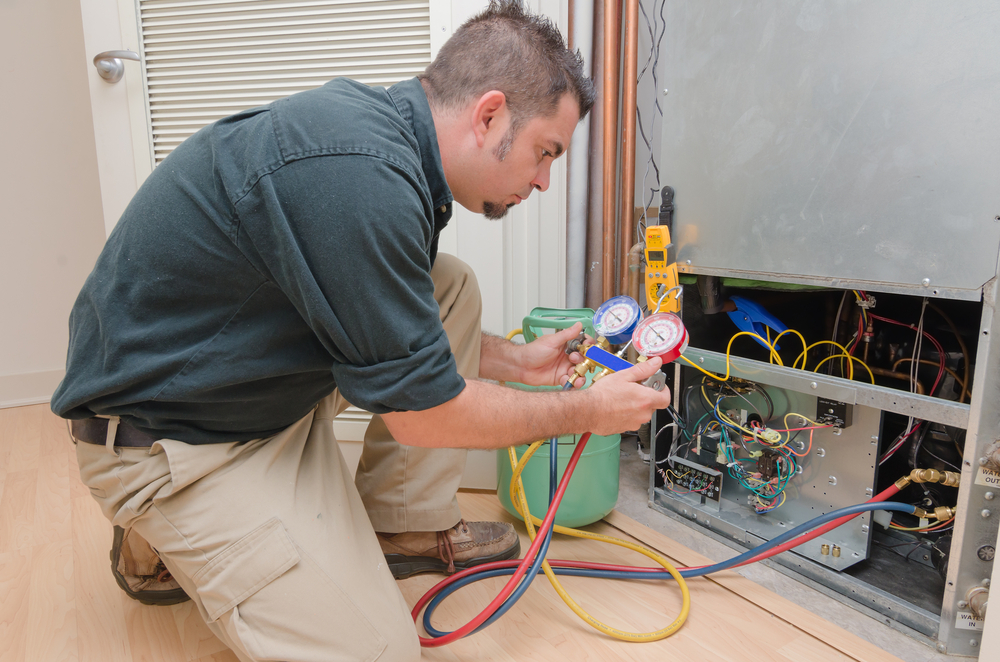
Stand in front of one of your vents right now. If the airflow feels weak or the air isn’t as cold as it should be, your air conditioning system is struggling. This usually points to compressor trouble, clogged filters, blocked ductwork, or refrigerant issues.
In Clark County, NV, your AC already works overtime just to keep up with the desert heat. When airflow drops or cooling performance declines, every component has to work harder to compensate. Rooms stay uncomfortably warm. Your system runs longer cycles. Your energy bill climbs higher each month.
The problem won’t fix itself. The longer you wait, the more damage occurs to parts that are already under stress. Let’s look at what’s really happening when your air conditioner stops cooling properly.
What it means when your air conditioner runs but doesn't cool your home
You can hear your AC running. The outdoor unit is humming away. But your house feels like a sauna. This is one of the most common air conditioning repair issues in Las Vegas, NV, and it’s incredibly frustrating when outside temperatures are pushing past 105 degrees.
Several things cause an air conditioner not cooling properly. Low refrigerant from a leak means your system can’t absorb heat from your indoor air effectively. Dirty condenser coils on your outdoor unit prevent proper heat release. A failing compressor can’t circulate refrigerant the way it should. Even a faulty thermostat can trick your system into thinking it’s maintaining temperature when it’s actually failing.
Here’s why this AC problem is serious in the Las Vegas heat: your system isn’t designed to cool from 110°F to 75°F in one shot. It maintains comfortable temperatures through consistent operation. When cooling performance drops, your AC runs constantly without delivering results. You’re paying peak energy costs for zero comfort.
This isn’t something that resolves on its own. If your air conditioner is blowing air but not cold air, or if it takes hours to drop the temperature even a few degrees, you need professional HVAC repair. The issue could be a simple refrigerant recharge or a major compressor failure. Either way, running a system that can’t cool properly just accelerates wear on every component and drives your energy bills through the roof.
Clark County’s extreme temperatures don’t give you room to wait and see. When your AC stops doing its primary job, that’s your clear signal to reach out for professional help before a manageable repair turns into an expensive emergency replacement.
Common causes of blocked or restricted airflow in AC systems
Weak airflow from your vents has a few usual suspects, and catching them early prevents bigger air conditioning repair bills down the road. The most common culprit is a clogged air filter. When dust and debris pile up on your filter, your system has to work significantly harder to pull air through. That extra strain affects your compressor, your blower motor, and your energy consumption.
Dirty evaporator coils create another major airflow problem. These coils sit inside your indoor unit and absorb heat from passing air. When they’re covered in dust or grime, they can’t transfer heat efficiently. Airflow drops. Cooling suffers. In severe cases, the coils freeze over completely, blocking airflow entirely and forcing your system to shut down.
Your ductwork might be sabotaging your cooling efforts without you realizing it. Leaks, disconnections, or blockages mean the cool air your AC produces never reaches your living spaces. You end up cooling your attic or crawl space instead of your home. In Las Vegas, NV, where your air conditioner runs almost constantly from May through September, even small duct leaks translate to serious energy waste and higher bills.
Blower motor problems also restrict airflow significantly. If the motor is failing or the fan blades are dirty or damaged, your system can’t move air effectively through your home. You’ll notice weak flow from vents, temperature differences between rooms, or your AC cycling on and off more frequently than normal.
Here’s what makes airflow issues particularly damaging: they create a domino effect throughout your entire air conditioning system. Restricted airflow forces your compressor to work harder and longer. That accelerates wear and tear on expensive components. It spikes your energy consumption. It can cause evaporator coils to freeze. And if you ignore it long enough, it leads to compressor failure, one of the costliest HVAC repairs you’ll face.
If you’ve replaced your filter and airflow is still weak, don’t keep troubleshooting on your own. We can quickly diagnose whether the problem is in your coils, ductwork, blower motor, or elsewhere in the system. Catching airflow issues early keeps a $200 repair from becoming a $2,500 emergency.
Strange noises are coming from your air conditioner
Your AC should run with a low, steady hum. Grinding, squealing, banging, rattling, or hissing sounds are red flags that something’s wrong inside your system.
These aren’t just annoying background noises you should learn to live with. They’re your air conditioning system’s way of telling you that components are failing. Grinding usually means motor bearings are wearing out. Squealing points to belt problems or blower motor issues. Banging indicates loose or broken internal parts.
The longer you ignore unusual AC sounds, the more damage occurs to surrounding components. What starts as a minor repair can quickly escalate into major air conditioning system failure.
When you should call for HVAC repair after hearing unusual sounds
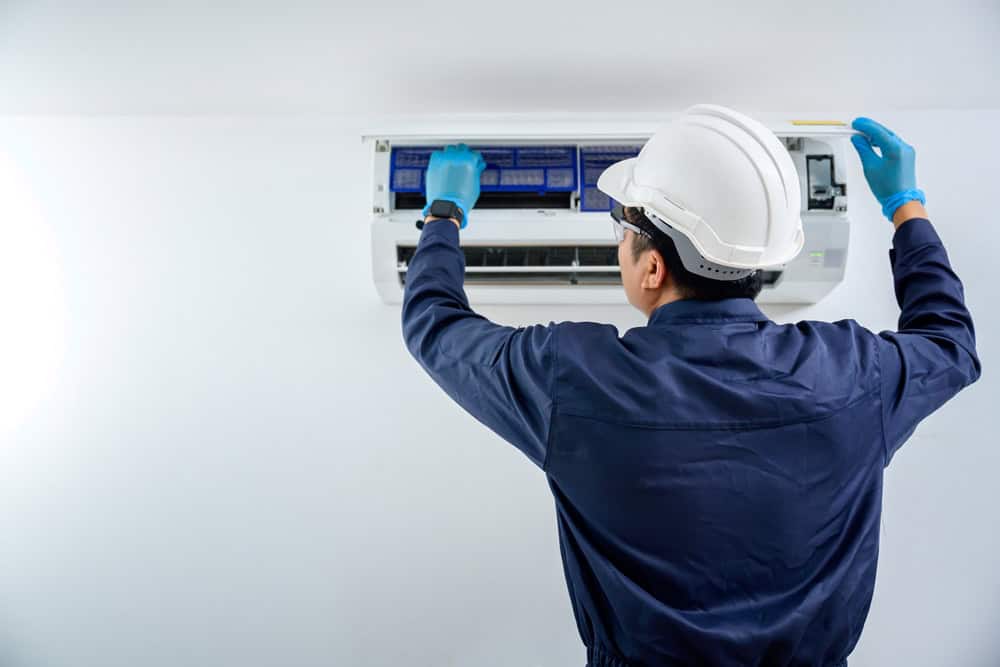
Not every sound requires dropping everything and calling for emergency HVAC repair, but you shouldn’t ignore unusual noises for more than a day or two. If you hear high-pitched screaming or loud hissing from your AC unit, shut the system off immediately and call us. That sound often indicates dangerous pressure buildup in your compressor or a significant refrigerant leak that can damage your entire system.
Grinding or metal-on-metal screeching means components inside your unit are rubbing or scraping where they shouldn’t be. This typically happens when motor bearings fail or when parts come loose and shift out of alignment. Running your air conditioner in this condition can destroy your compressor or fan motor, turning a $300 repair into a multi-thousand-dollar replacement.
Rattling or banging might seem less urgent, but these sounds still demand prompt attention. Loose components vibrate and can break free entirely, damaging other parts. Debris inside your outdoor unit can destroy fan blades or puncture coils. Even something as simple as a loose access panel creates noise and reduces your system’s efficiency in Las Vegas’s demanding climate.
Clicking sounds when your AC tries to start usually point to electrical issues or a failing capacitor. The capacitor provides the electrical jolt your compressor and fan motors need to start up. When it’s failing, you’ll hear repeated clicking as the system tries and fails to start. This is a relatively affordable air conditioning repair if you catch it early, but if the capacitor fails completely, your AC won’t run at all, leaving you without cooling during peak summer heat.
Bubbling or gurgling sounds from your indoor unit often indicate a refrigerant leak or condensate drain line problem. Refrigerant leaks are serious AC issues. Refrigerant is what allows your system to remove heat from your indoor air. When levels drop, your air conditioner can’t cool effectively, and continuing to operate it can cause permanent compressor damage.
Here’s the reality: if your air conditioning system starts making a noise it didn’t make last week, don’t wait to see if it goes away on its own. In Las Vegas, NV, where your AC operates under extreme stress for months at a time, unusual sounds are early warnings that components are breaking down. Addressing the problem now, while it’s still minor, is always cheaper than waiting for complete system failure on the hottest day of summer.
Simple AC troubleshooting steps you can try before calling us
Before you schedule an HVAC repair visit, there are a few quick checks you can do yourself. These won’t fix major air conditioning problems, but they can help you rule out simple issues and might save you an unnecessary service call.
Start with your thermostat. Verify it’s set to “cool” mode and that the temperature setting is at least 3-5 degrees below your current indoor temperature. Replace the batteries if you have a battery-powered thermostat. Sometimes the problem really is that simple, especially if someone in your household accidentally changed the settings.
Check your air filter next. A clogged filter is one of the most common causes of AC performance issues, and you can address it yourself in under three minutes. If your filter looks gray or dirty, replace it immediately. In Las Vegas, NV, where dust levels are high and your system runs constantly, you should check your filter monthly during summer and replace it every 30-60 days.
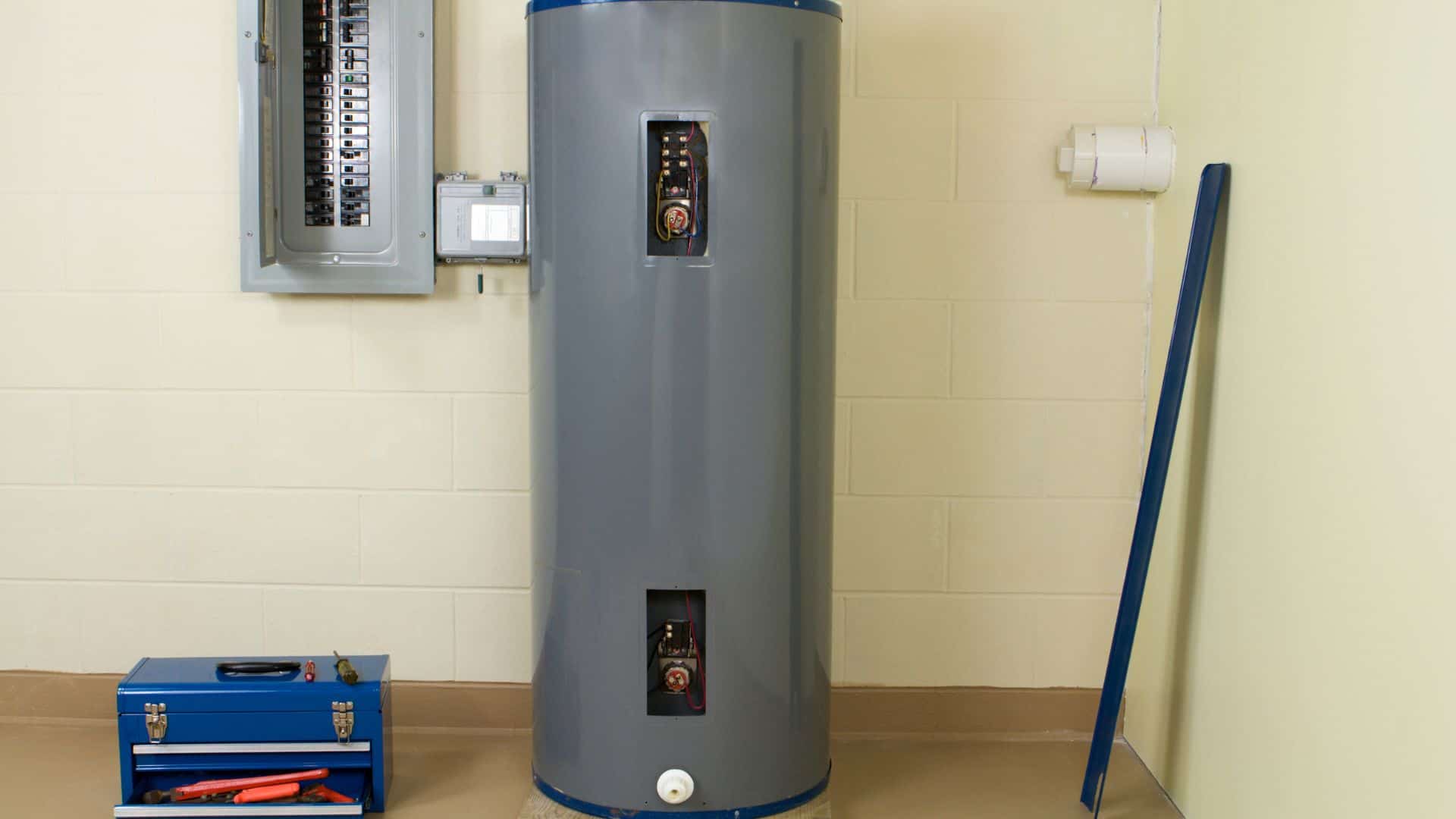
Look at your circuit breaker panel. If your air conditioner isn’t turning on at all, the breaker may have tripped. Flip it back to the “on” position and see if your system starts. If the breaker trips again immediately, don’t keep resetting it. That indicates an electrical problem that requires professional HVAC repair.
Walk outside and inspect your outdoor condenser unit. Clear away any leaves, grass clippings, weeds, or debris blocking airflow around the unit. Make sure there’s at least two feet of clearance on all sides for proper air circulation. Check that the unit isn’t caked in dust or dirt. If the metal fins on the outside look clogged, you can gently rinse them with a garden hose to remove surface debris, but be careful not to bend the delicate fins.
Check all the vents inside your house. Make sure they’re fully open and not blocked by furniture, curtains, rugs, or other obstructions. Closed or blocked vents reduce airflow throughout your system and can cause uneven cooling or unnecessary strain on your air conditioner.
If you’ve done all these AC troubleshooting steps and your system still isn’t working properly, it’s time to call us. Don’t attempt to open up your AC unit yourself. Don’t try to add refrigerant. Don’t start disassembling components to investigate the problem. Modern air conditioning systems are complex, and DIY repair attempts can void your warranty, cause additional damage, or put you at risk of injury from electrical components or refrigerant exposure.
We have the specialized tools, technical training, and hands-on experience to diagnose your AC problem accurately the first time. We can tell you whether you’re facing a minor fix or a more involved air conditioning repair. And in Clark County’s extreme climate, where your AC is essential for safety and comfort, getting the right diagnosis quickly matters more than saving a service call fee.
Catch AC problems early to avoid expensive emergency repairs
Your air conditioning system is one of your home’s most critical investments, especially in Las Vegas, NV where summer temperatures make AC a necessity, not a luxury. Recognizing warning signs early and acting on them keeps minor issues from turning into expensive emergency breakdowns.
If you’ve noticed weak airflow, strange noises, an air conditioner not cooling properly, unexplained spikes in your energy bills, or any other warning signs, don’t wait for total system failure. The longer you put off air conditioning repair, the more damage occurs and the higher your final bill climbs.
We’ve served homeowners throughout Las Vegas and Clark County, NV for 18 years with honest, transparent HVAC service. If your AC isn’t performing the way it should, reach out for a professional assessment. Sometimes peace of mind and a comfortable home are just one call away.