
Summary:
Why Heating Maintenance Matters in Clark County
Clark County winters aren’t brutal, but they’re real. Temperatures regularly dip below freezing during winter months, and those cold desert nights require reliable heat. The challenge is that your heating system faces conditions that don’t exist in other climates.
Your furnace sits unused for months while dust settles into every component. When you finally need heat, the system has to perform flawlessly despite that long break. Without maintenance, dirty flame sensors cause ignition failures. Clogged burners waste fuel. Loose electrical connections create safety hazards.
The numbers tell the story. Systems without regular service use up to 25% more energy than maintained ones. That’s money leaving your wallet every month. Worse, 85% of heating repairs trace back to skipped maintenance, meaning most breakdowns are preventable. Regular tune-ups reduce breakdown risk by up to 95%, virtually eliminating those middle-of-the-night emergencies when temperatures plummet.
What Happens During a Professional Furnace Tune-Up
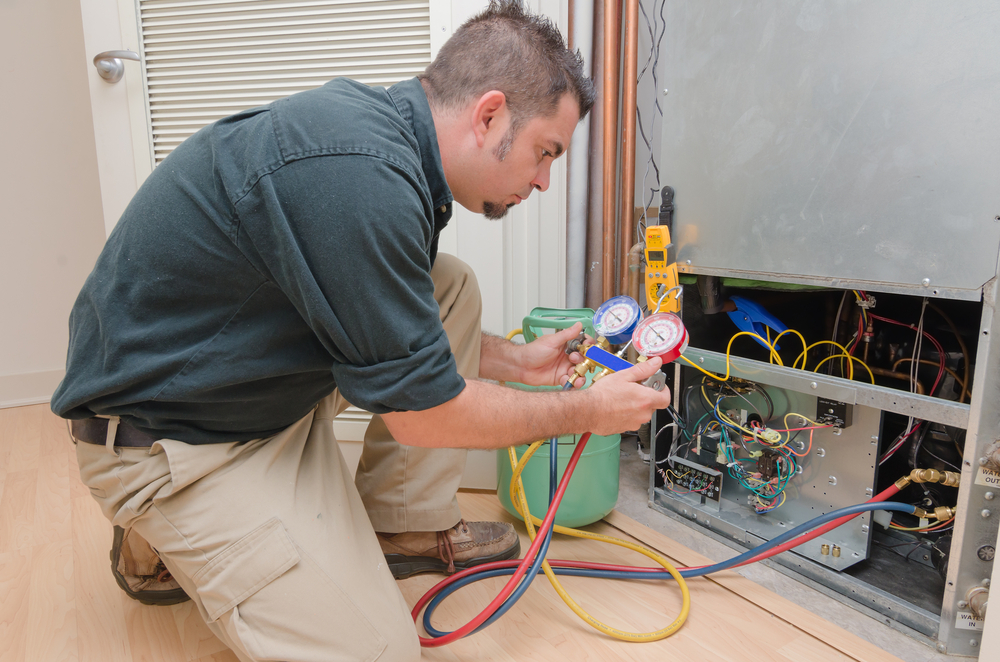
A heating maintenance visit goes far beyond changing a filter. Our technicians perform a comprehensive system evaluation that addresses every component affecting performance and safety.
The heat exchanger inspection comes first because cracked heat exchangers create carbon monoxide risks. We look for stress marks, corrosion, and any signs of failure that could endanger your family. This single check justifies the entire service visit.
Flame sensors get cleaned to prevent ignition lockouts on cold nights. When sensors are dirty, your furnace won’t start even though nothing is actually broken. Gas pressure gets checked and adjusted to avoid inefficient combustion that wastes fuel. Burners are cleaned and inspected because dust buildup from sitting idle all summer affects how well they perform.
The blower motor receives attention too. Bearings get lubricated to prevent overheating and motor failure. Electrical connections are tightened since loose wires can arc and damage control boards. The thermostat is calibrated to ensure accurate temperature control. Air filters are inspected and replaced if needed, though you should be changing these yourself between professional visits.
We also check the condensate drain line to prevent blockages that cause water damage. We measure airflow to ensure proper distribution throughout your home. The entire process typically takes 60 to 90 minutes, and you receive a written report detailing the system’s condition and any recommended repairs.
This thorough approach catches small issues before they become expensive problems. A $150 tune-up can prevent a $1,500 emergency repair, and the energy savings alone often pay for the service within a few months.
When to Schedule Heating Maintenance in Clark County
Timing matters more than most homeowners realize. The ideal window for furnace maintenance is fall, ideally October or early November, before you actually need heat. This timing serves several practical purposes.
First, you’re scheduling before the rush. Once cold weather hits and furnaces start failing across the valley, HVAC companies get slammed with emergency calls. Getting on the calendar early means you choose convenient appointment times instead of waiting days for an opening.
Second, fall maintenance gives you time to address any issues discovered during the inspection. If our technicians find a problem, you can schedule repairs before you’re actually relying on the system. This beats discovering problems on the coldest night of the year when you need heat immediately.
Third, your system gets cleaned and tuned right before the heating season starts. Dust that accumulated all summer gets removed. Components are lubricated and adjusted. Everything is optimized for the work ahead.
The desert climate makes this timing even more important. Your furnace has been sitting completely idle while you ran the air conditioner for months. That long break means dust has settled everywhere, seals may have dried out, and small issues have gone unnoticed. A tune-up before first use prevents that initial startup from revealing problems at the worst possible moment.
Most manufacturers and HVAC professionals recommend annual service. Some homeowners with older systems or heavy usage benefit from twice-yearly checks. At minimum, never go more than a year between professional maintenance visits. The warranty on your equipment likely requires annual service anyway, so skipping maintenance can void coverage on expensive components.
If you can’t remember the last time someone looked at your furnace, schedule service now. Don’t wait for cold weather or strange noises. Proactive maintenance is always cheaper and less stressful than reactive repairs.
How Heating Maintenance Saves Money and Prevents Breakdowns
The financial case for regular maintenance is straightforward. Well-maintained systems reduce energy use by 5% to 15% compared to neglected equipment. Even a 10% reduction leads to hundreds of dollars in savings over the system’s life.
But energy savings are just the beginning. Preventive maintenance reduces breakdown risk by up to 95%, meaning you avoid emergency service calls that always cost more than scheduled appointments. You also extend your equipment’s lifespan, getting more years from your investment before facing replacement costs.
The warranty protection alone justifies maintenance. Most manufacturers require proof of annual service when you file a repair claim. Skip maintenance and you could be paying out of pocket for a repair that should be covered. Since some components cost over a thousand dollars, that’s a risk you don’t want to take.

Common Heating Problems Maintenance Prevents
Understanding what can go wrong helps you appreciate what maintenance prevents. Dirty or clogged filters are the most common issue. When filters get packed with dust, airflow drops and your system works harder than necessary. This increases energy consumption and can cause the system to overheat and shut down.
Thermostat problems create frustration because the symptoms seem random. Your heating system might not turn on when expected, or it might not turn off when the temperature is reached. Often the issue is simply dead batteries or a miscalibrated sensor, both addressed during routine maintenance.
Ignition and pilot control problems prevent your furnace from heating properly. The burners won’t light, leaving you without heat. These issues often trace to dirty flame sensors or failed ignition components. Regular cleaning and inspection catch these problems before they cause failures.
Worn parts eventually affect every system. Blower motors, belts, bearings, and other mechanical components experience wear and tear. During maintenance visits, our technicians spot parts that are nearing the end of their useful life. You can replace them on your schedule rather than when they fail unexpectedly.
Heat exchanger cracks are the most serious issue. A cracked heat exchanger can leak carbon monoxide into your home, creating a dangerous situation. Professional inspections identify cracks early, allowing you to address the problem before it becomes a safety hazard.
Gas leaks and electrical failures also get caught during maintenance. We check all connections, test for leaks, and verify that safety controls work properly. These checks protect your home and family from hazards that aren’t visible during normal operation.
The pattern is clear: most heating problems develop gradually, giving you warning signs if you’re paying attention. Annual maintenance catches these developing issues when they’re still minor and inexpensive to fix.
Desert Climate Considerations for Heating Systems
Clark County’s desert environment creates maintenance needs that don’t exist in other climates. The biggest factor is dust. Desert dust is fine and pervasive, working its way into every part of your HVAC system. When your furnace sits idle all summer, dust settles on burners, flame sensors, and heat exchangers. This dust affects ignition, combustion efficiency, and overall performance.
Temperature extremes also matter. Your outdoor unit endures 115-degree summer days and then needs to function perfectly on 35-degree winter nights. These swings cause expansion and contraction that can loosen connections and stress components. Regular maintenance checks for these temperature-related issues.
The long idle periods are unique to desert climates. In colder regions, heating systems run regularly throughout fall, winter, and spring. In Clark County, your furnace might not run at all from April through October. That seven or eight month break means seals can dry out, lubricants can settle, and dust can accumulate undisturbed. When you finally need heat, the system has to perform after months of inactivity.
This is why fall maintenance is so critical here. Your furnace needs to be cleaned, lubricated, and tested after sitting idle all summer. You want to discover any issues before the first cold night, not during it.
Hard water is another desert consideration. Mineral deposits from hard water can affect humidifiers and condensate drains. These deposits build up over time and can cause blockages or equipment damage. Maintenance visits include checking and cleaning these components.
Air quality concerns also factor in. Desert dust affects indoor air quality when it gets pulled through your HVAC system. Clean filters and well-maintained equipment help keep your indoor air clean. This matters for anyone with allergies or respiratory sensitivities.
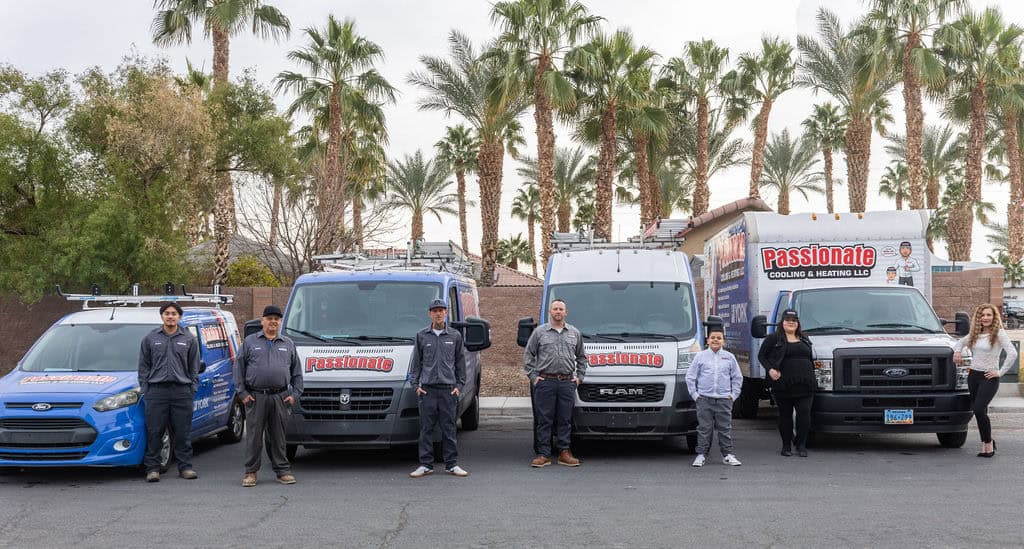
As a local HVAC company familiar with Clark County, we understand these desert-specific challenges. We know what to look for and how to address issues that wouldn’t appear in other climates. This local expertise is valuable when you’re choosing a maintenance provider.
Protecting Your Comfort and Investment with Regular Maintenance
Heating maintenance isn’t optional in Clark County, even with our mild winters. The combination of long idle periods, desert dust, and temperature extremes creates conditions that demand professional attention. Annual tune-ups prevent the breakdowns that leave families cold on winter nights. They reduce energy waste that increases your bills. They extend equipment life and protect your warranty coverage.
The financial case is clear. Maintenance costs between $80 and $200, while preventing repairs that can run into thousands. Energy savings alone often pay for the service within months. When you factor in avoided emergency calls and extended equipment life, regular maintenance is one of the smartest investments you can make in your home.
Fall is the right time to schedule. Before you need heat, before companies get busy, before small issues become big problems. If you’re ready to protect your heating system and your family’s comfort, we’re here to help. With 18 years of experience, NATE-certified technicians, and transparent pricing, we understand Clark County’s unique climate challenges and deliver the thorough service your system needs.