
Summary:
What Are Mini-Split Systems?
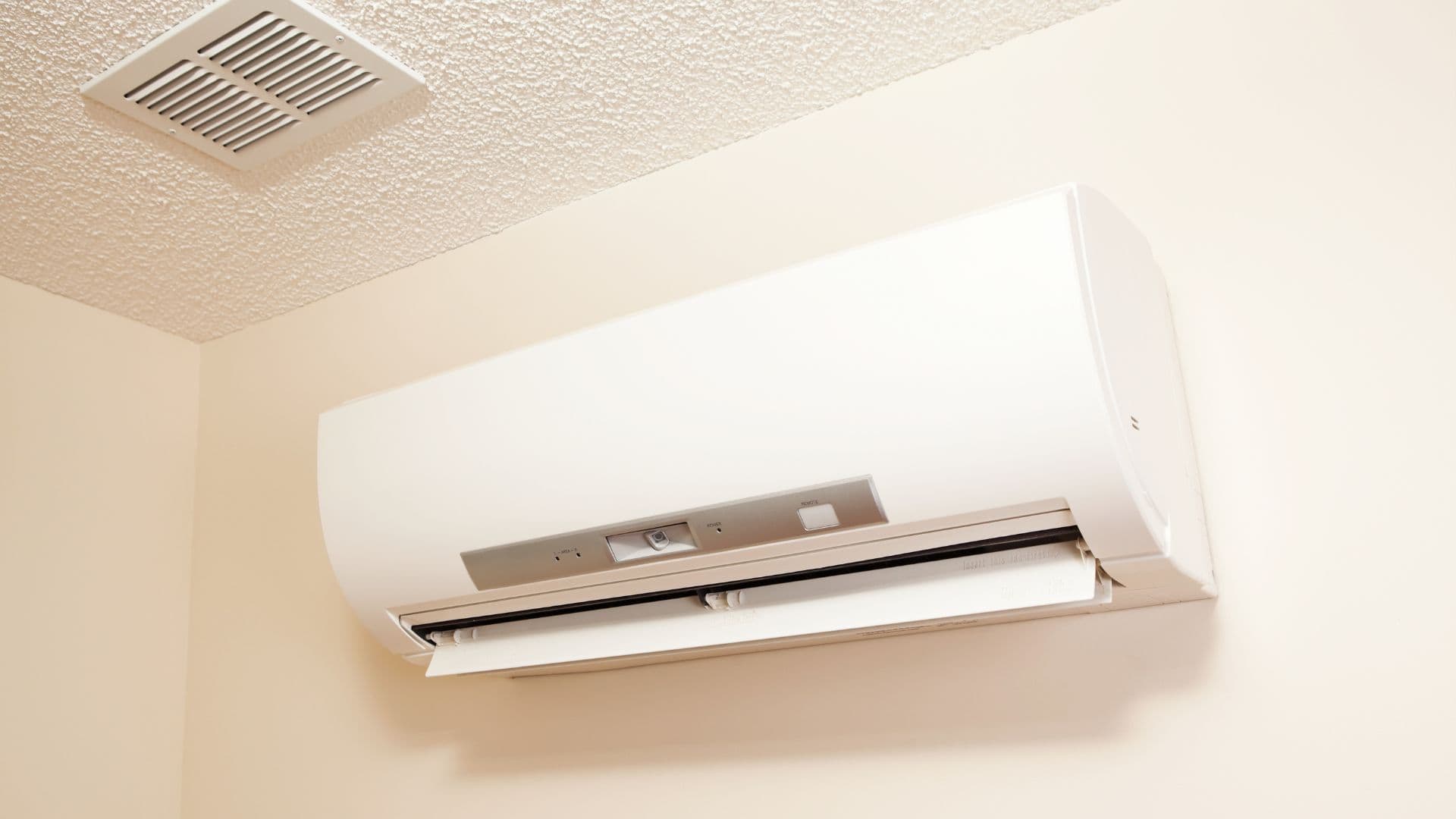
A mini-split system is a ductless heating and cooling solution that delivers conditioned air directly into specific rooms or zones. Unlike central HVAC systems that rely on ductwork to distribute air throughout your home, mini-splits consist of two main components: an outdoor compressor unit and one or more indoor air-handling units mounted on walls or ceilings.
The outdoor unit connects to indoor units through a small refrigerant line that runs through a three-inch hole in your wall. That’s it. No ducts snaking through your attic, no extensive renovation, no tearing into walls.
Each indoor unit operates independently with its own thermostat or remote control. This means you can set your bedroom to 68 degrees while keeping your home office at 72—something a traditional single-thermostat system simply can’t do. Most mini-splits also function as heat pumps, providing both cooling in summer and heating in winter from the same system.
How Do Mini-Splits Differ from Central Air Conditioning?
The fundamental difference comes down to delivery. Central air conditioning uses a network of ducts hidden in your walls, attic, or crawlspace to move cooled air from a single indoor unit to every room. Mini-splits skip the ducts entirely and deliver air directly where it’s needed.
This matters more than you might think. According to the U.S. Department of Energy, ductwork can account for up to 30% of energy loss in traditional systems—especially if those ducts aren’t properly sealed or insulated. Air leaks, poor insulation, and the simple distance air travels through ducts all contribute to wasted energy and higher bills.
With a mini-split, the air doesn’t travel through yards of ductwork. It’s generated right in the room where you need it, eliminating those losses. The result is often significantly better energy efficiency, which translates directly to lower monthly costs during those brutal Las Vegas summers when your AC runs nonstop.
Another key difference is control. Central systems treat your entire home as one zone with one thermostat. If your living room thermostat reads 75 degrees, that’s what the system aims for—even if your upstairs bedrooms are sitting at 82. Mini-splits give you independent control over each area, letting you cool only the spaces you’re actually using and set different temperatures based on how each room feels.
The installation process also differs dramatically. Installing central air in a home without existing ductwork can cost anywhere from $2,000 to over $10,000 just for the ductwork alone, not counting the HVAC equipment. It’s invasive, time-consuming, and disruptive. Mini-split installation, by comparison, typically takes just a few hours and requires minimal changes to your home’s structure.
That said, central systems still have their place. If your home already has well-maintained ductwork and you want consistent whole-home cooling from a single concealed system, central air might make more sense. But for homes without ducts, room additions, or situations where zoned comfort matters, mini-splits offer a cleaner, more efficient alternative.
When Are Mini-Splits the Ideal Solution?
Mini-splits shine in specific situations where traditional systems fall short. If you’re adding a room—a sunroom, converted garage, bonus room, or home office—extending your existing ductwork can be prohibitively expensive and complicated. Running new ducts means cutting into walls and ceilings, dealing with potential structural issues, and possibly needing to upgrade your central system’s capacity to handle the additional square footage. A single-zone mini-split solves the problem cleanly without touching the rest of your home.
Older homes present another perfect use case. Many properties in Las Vegas were built before central air became standard, relying instead on evaporative coolers or window units. Installing ductwork in these homes isn’t just expensive—it’s often impractical, especially in historic properties where preserving original architecture matters. A ductless system gives you modern comfort without compromising your home’s character or requiring major renovation.
Multi-story homes frequently struggle with temperature imbalances. Heat rises, so upstairs bedrooms often end up significantly warmer than downstairs living spaces. You’re left choosing between freezing your first floor to cool the second, or sweating upstairs to keep the main level comfortable. Adding a mini-split zone upstairs solves this without replacing your entire system. You maintain independent control and stop wasting energy trying to force a single-zone system to do something it wasn’t designed for.
Zoned comfort is another major reason homeowners choose mini-splits. Maybe you work from home and need your office cooler during the day, but you don’t want to pay to cool bedrooms nobody’s using. Or perhaps you have family members with wildly different temperature preferences. Mini-splits let you customize comfort room by room, cooling or heating only occupied spaces and adjusting temperatures to match how each area is actually being used.
Southern Nevada’s extreme climate also makes mini-splits particularly valuable. When temperatures regularly hit 110 degrees or higher, your AC isn’t just a luxury—it’s essential. Mini-splits’ high efficiency ratings (often 20+ SEER compared to the minimum 15 SEER for traditional systems) mean lower operating costs even when your system runs constantly. In a climate where AC failures can be dangerous, having a supplemental mini-split in key rooms also provides backup cooling if your main system ever goes down.
Understanding the Energy-Saving Benefits
Energy efficiency isn’t just a buzzword—it’s a real factor that affects your monthly bills, especially in Las Vegas where cooling costs dominate summer expenses. Mini-splits achieve their efficiency through several mechanisms that work together to reduce energy consumption.
The elimination of ductwork is the most obvious advantage. Those 20-30% energy losses from leaky, poorly insulated ducts simply don’t exist with a ductless system. Every bit of cooling your system produces goes directly into the space you’re conditioning, not into your attic or wall cavities.
Modern mini-splits also use inverter technology with variable-speed compressors. Instead of running at full blast until the room hits the target temperature and then shutting off completely (like most traditional systems), mini-splits adjust their output continuously. Once your room reaches the desired temperature, the system throttles down to a low, steady output that maintains comfort without the energy waste of constant on-off cycling.
Real-World Energy Savings in Clark County Homes
The actual savings you’ll see depend on how you use your system, but the potential is significant. Homeowners who install mini-splits to supplement existing central systems often report 20-30% reductions in cooling costs by using the mini-split for commonly occupied rooms and setting back the central system.
If you’re replacing window units or an older, inefficient central system, the savings can be even more dramatic. A modern mini-split with a SEER rating of 20 or higher uses substantially less electricity than a 10-15 SEER system to deliver the same cooling. Over a Las Vegas summer where your AC might run 10-12 hours per day, those efficiency gains add up quickly.
Zoning also contributes to savings in ways that aren’t immediately obvious. Think about your typical weekday. You’re probably using your bedroom at night, your kitchen and living areas in the evening, and maybe a home office during the day. But you’re not using all those spaces simultaneously. With a mini-split system, you cool only the rooms you’re actually occupying, letting the rest of the house stay warmer without wasting energy on empty spaces.
This targeted approach is particularly valuable in Southern Nevada’s climate. When outdoor temperatures hit 115 degrees, even a well-insulated home fights a constant battle against heat gain. Cooling your entire house to 72 degrees means your AC works overtime in every room, whether anyone’s there or not. Zoned cooling lets you maintain comfortable temperatures in occupied spaces while allowing unused areas to drift a few degrees warmer, significantly reducing the total cooling load your system has to handle.
The energy efficiency also extends to heating during Las Vegas’s cooler months. Most mini-splits function as heat pumps, transferring heat rather than generating it through combustion or electric resistance. This makes them roughly three times more efficient than traditional electric heating methods. For homes that currently rely on electric baseboard heaters or furnaces, switching to a mini-split heat pump can reduce winter heating costs by 30% or more.
One consideration specific to our desert environment: mini-splits require monthly filter cleaning during heavy-use seasons to maintain peak efficiency. Dust storms and the high particulate matter in our air can clog filters faster than in other climates. Clean filters are essential for proper airflow and efficiency, so factor that maintenance into your routine. It’s a small task that takes just minutes, but skipping it can reduce your system’s efficiency by 15% or more.
What About Upfront Costs vs. Long-Term Savings?
Mini-splits typically cost more upfront than basic central systems if you’re comparing equipment prices alone. A single-zone mini-split installation might run $3,000-$5,000, while a multi-zone system covering 3-4 rooms can reach $6,000-$12,000 depending on the specific equipment and installation complexity.
That sounds steep until you factor in the full picture. If your home doesn’t have existing ductwork, you’re not comparing a mini-split to just a central system—you’re comparing it to a central system plus the cost of installing ductwork throughout your home. Ductwork installation alone can easily exceed $5,000-$10,000, and that’s before you’ve even purchased the HVAC equipment. Suddenly, the mini-split starts looking much more reasonable.
The long-term savings also offset the initial investment. Higher efficiency means lower monthly bills, and those savings compound over the system’s lifespan. A mini-split that saves you $50-$100 per month on cooling costs will pay for a significant portion of its installation cost over just a few years. Factor in the increased home value from adding modern, efficient climate control to previously uncomfortable spaces, and the financial case becomes even stronger.
Financing options can also make the upfront cost more manageable. Many HVAC companies, including us at Passionate Cooling & Heating, offer flexible payment plans that let you spread the cost over time while immediately enjoying the energy savings. Additionally, high-efficiency mini-splits may qualify for utility rebates or tax credits that reduce your out-of-pocket expense.
One often-overlooked financial benefit: mini-splits can extend the life of your existing central system if you’re using them as a supplement. By handling cooling for specific problem areas or high-use rooms, the mini-split reduces the total load on your central system. Less runtime means less wear and tear, potentially delaying the need for a costly central system replacement by several years.
The key is matching the solution to your specific situation. If you’re only conditioning one or two rooms, a single-zone mini-split is often the most cost-effective option. If you’re looking at whole-home coverage and already have good ductwork, a high-efficiency central system might make more financial sense. For everything in between—room additions, homes without ducts, multi-story temperature imbalances, or supplemental cooling needs—mini-splits typically offer the best balance of upfront cost, long-term savings, and comfort.
Making the Right Choice for Your Las Vegas Home
Mini-split systems aren’t a universal solution, but they excel in situations where traditional central air falls short. If you’re adding space, dealing with hot and cold spots, working with an older home without ductwork, or simply want more control over your comfort, they offer a proven, efficient alternative.
The decision ultimately comes down to your specific needs, your home’s layout, and what matters most to you. Energy efficiency, zoned control, and avoiding ductwork installation make mini-splits compelling for many Clark County homeowners. The higher upfront cost and visible indoor units might be drawbacks for others.
What matters most is working with someone who understands both the technology and our local climate. Las Vegas’s extreme heat, dust storms, and unique conditions require expertise that goes beyond basic HVAC knowledge. Proper sizing, placement, and installation make the difference between a system that performs beautifully for 15+ years and one that struggles from day one.
If you’re considering a mini-split for your home, we can help you evaluate whether it’s the right fit. With 18 years of experience in Southern Nevada’s challenging climate and EPA-certified, NATE-certified technicians, we understand what works in our desert environment and what doesn’t.