
Summary:
What Makes AC Installation Different in Las Vegas
Las Vegas, NV isn’t a typical market for HVAC work. Your air conditioner runs longer, works harder, and faces conditions that most systems across the country never see. We’re talking about equipment that operates 10-12 hours daily during summer, dealing with dust, extreme temperature swings, and outdoor units baking in direct desert sun.
That constant demand accelerates wear on every component—compressors, fan motors, capacitors, refrigerant lines. When your system doesn’t get a break, installation quality becomes the difference between 15 years of reliable cooling and 7 years of expensive repairs. The desert doesn’t forgive shortcuts. It exposes them.
Why Your AC Size Matters More in Desert Heat
Walk into any HVAC supply house in Clark County, NV and you’ll hear the same frustration: homeowners getting stuck with the wrong size system. It’s the most common installation mistake, and in Las Vegas it’s also the most expensive one to live with.
Here’s what happens with an undersized unit. Your AC runs constantly, trying to cool a space it was never designed to handle. It never catches up. Your home stays warm, your energy bills climb, and the system wears out years early because it’s working at maximum capacity every single day.
You’ll feel it most during July and August when outdoor temps stay above 105 degrees for weeks.
Oversized systems create a different problem. They cool too fast, which sounds good until you realize they’re short-cycling—turning on and off repeatedly without running long enough to remove humidity or distribute air evenly. You get cold spots, clammy air, and a system that’s constantly starting and stopping. That cycling stresses components and drives up your electricity costs without actually improving comfort.
The fix is something called a Manual J load calculation. It’s the industry standard for sizing HVAC equipment, and it takes into account your home’s square footage, insulation levels, window placement, ceiling height, and local climate conditions. A proper calculation considers how much heat your home gains during peak afternoon hours, how your ductwork is configured, and whether you have spaces like a sunroom or vaulted ceilings that affect cooling needs.
Any contractor who sizes your system based on square footage alone or by matching what you had before isn’t doing their job. Your previous system might have been the wrong size to begin with. Your home’s insulation may have improved since then.
The calculation should be specific to your home, done fresh, every time. If a contractor shows up with a quote and hasn’t asked detailed questions about your home’s layout or done any measurements, that’s your first red flag.
Licenses and Certifications You Should Verify
Nevada doesn’t mess around with HVAC licensing. Every contractor working on your system needs to be licensed by the Nevada State Contractors Board—no exceptions, no matter how small the job. That license requires four years of documented experience, proof of bonding and insurance, and passing a trade exam. It exists to protect you from people who don’t know what they’re doing.
But a state license is baseline. What separates experienced installers from adequate ones is additional certification.
NATE certification—North American Technician Excellence—is the one you want to see. It’s a voluntary program, which means contractors seek it out because they want to prove their expertise. NATE-certified technicians pass rigorous exams covering system design, installation practices, troubleshooting, and energy efficiency. They’re tested on real-world scenarios, not just textbook theory.
EPA certification is non-negotiable for anyone handling refrigerant. Federal law requires it. Refrigerant isn’t something you want an uncertified person touching—it’s toxic, it’s regulated, and improper handling can destroy your system or create safety hazards. If a contractor can’t show you EPA Section 608 certification, they’re breaking the law, and you’re taking on liability by hiring them.
Ask to see these credentials before anyone starts work. Legitimate contractors keep copies on hand and don’t get defensive when you ask. They know informed customers make better decisions.
If someone hesitates, changes the subject, or tells you it’s “not necessary,” you’ve just learned everything you need to know. Move on.
Insurance and bonding protect you if something goes wrong. Bonding covers you if the contractor doesn’t complete the work or doesn’t meet contract terms. Insurance covers property damage or injuries that happen during installation. Both should be current and verifiable.
A contractor without proper insurance is transferring risk onto you. If their technician gets hurt on your property or damages your home, you could be liable. That’s not a risk worth taking to save a few hundred dollars.
Understanding Warranties for New AC System Installation
Warranties sound straightforward until you need to use one. Then you discover that what you thought was covered isn’t, or that the warranty was voided by something you didn’t know mattered. Let’s clear up how HVAC warranties actually work so you’re not caught off guard later when your system needs service.
You’re dealing with two separate warranties: one from the manufacturer covering equipment, and one from your installer covering labor. They don’t overlap, and they don’t automatically work together. Understanding both is critical when you’re comparing quotes for residential AC installation.
Manufacturer Warranties vs Labor Warranties
Manufacturer warranties cover defective parts—things like a failed compressor, a leaking coil, or a malfunctioning control board. Most manufacturers offer a standard 5-year parts warranty automatically, but if you register your equipment within 60 days of installation, that typically extends to 10 years. Some brands offer lifetime warranties on specific components like compressors, but read the fine print.
Those lifetime warranties usually apply only to the original registered owner and come with maintenance requirements.
Here’s the catch: manufacturer warranties don’t cover labor. If your compressor fails under warranty, the manufacturer replaces the part for free, but you’re paying for the technician’s time to diagnose the problem, recover refrigerant, remove the old compressor, install the new one, recharge the system, and test everything. Labor costs can run $500 to $2,000 depending on the repair.
That’s why labor warranties matter.
Labor warranties come from your installer, and they vary wildly. Some contractors offer 1 year, some offer 2, and a few confident ones offer 10 years if you maintain a service agreement with them. A strong labor warranty tells you the contractor stands behind their installation quality. They’re not worried about getting called back to fix their own mistakes because they don’t make many.
Ask specific questions about both warranties before you sign anything. What parts are covered and for how long? What voids the warranty—things like missed maintenance, unauthorized repairs, or DIY modifications?
Does the manufacturer warranty require annual professional AC maintenance, and if so, who qualifies as an authorized service provider? For labor, what’s covered—just installation defects, or does it include things like refrigerant leaks or electrical issues that develop later? Get it in writing.
Verbal promises don’t hold up when you need service three years down the road.
One more thing about registration: most homeowners assume their contractor handles it. Sometimes they do. Sometimes they forget. Sometimes they say they will and don’t. Check yourself.
You can verify registration on the manufacturer’s website using your equipment’s serial number. If it’s not registered within that 60-90 day window, your warranty coverage just dropped from 10 years to 5, and there’s nothing you can do about it after the deadline passes.
What to Expect During Professional AC Installation
A proper central air installation in Las Vegas, NV involves more than dropping in a new unit and connecting some wires. If your installer isn’t doing these things, they’re cutting corners that will cost you later.
First, they should inspect your existing ductwork. Leaky or undersized ducts can waste up to 30% of your system’s output. You could install the most efficient AC on the market and still see high energy bills if your ducts are dumping cooled air into your attic or crawl space.
Good installers identify duct issues during the estimate phase and address them before the new system goes in. That might mean sealing joints with mastic, adding insulation to exposed sections, or in some cases, replacing damaged ductwork entirely.
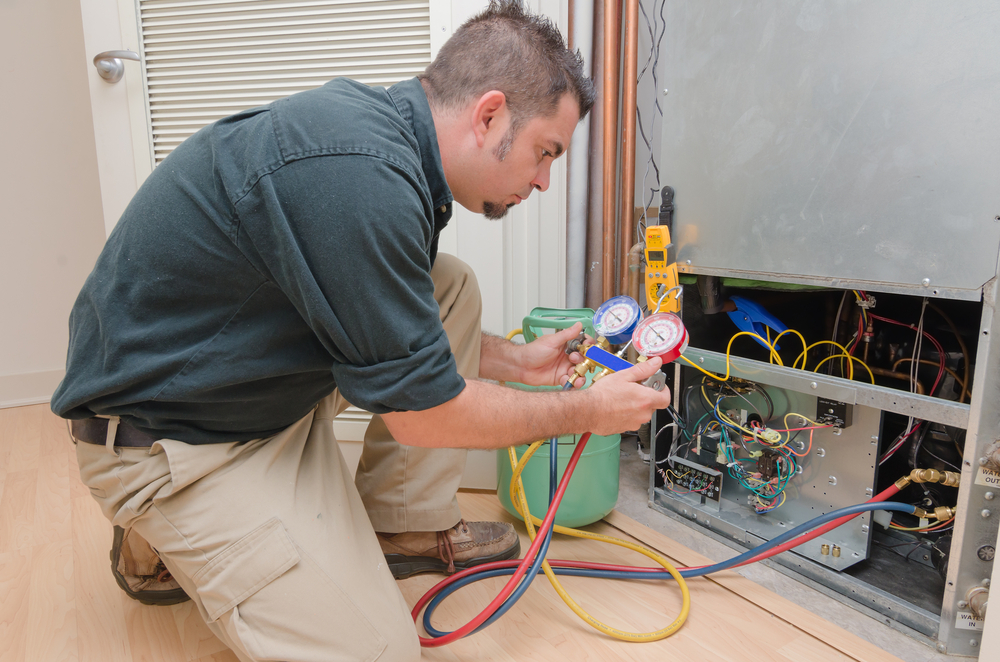
Refrigerant charge needs to be precise. Too little and your system can’t cool effectively. Too much and you risk compressor damage.
The correct charge isn’t a guess—it’s based on manufacturer specifications, line length, and system design. Installers should use gauges and scales to measure refrigerant accurately, then test system performance to confirm everything’s dialed in correctly. This isn’t a five-minute task. It takes time to do right.
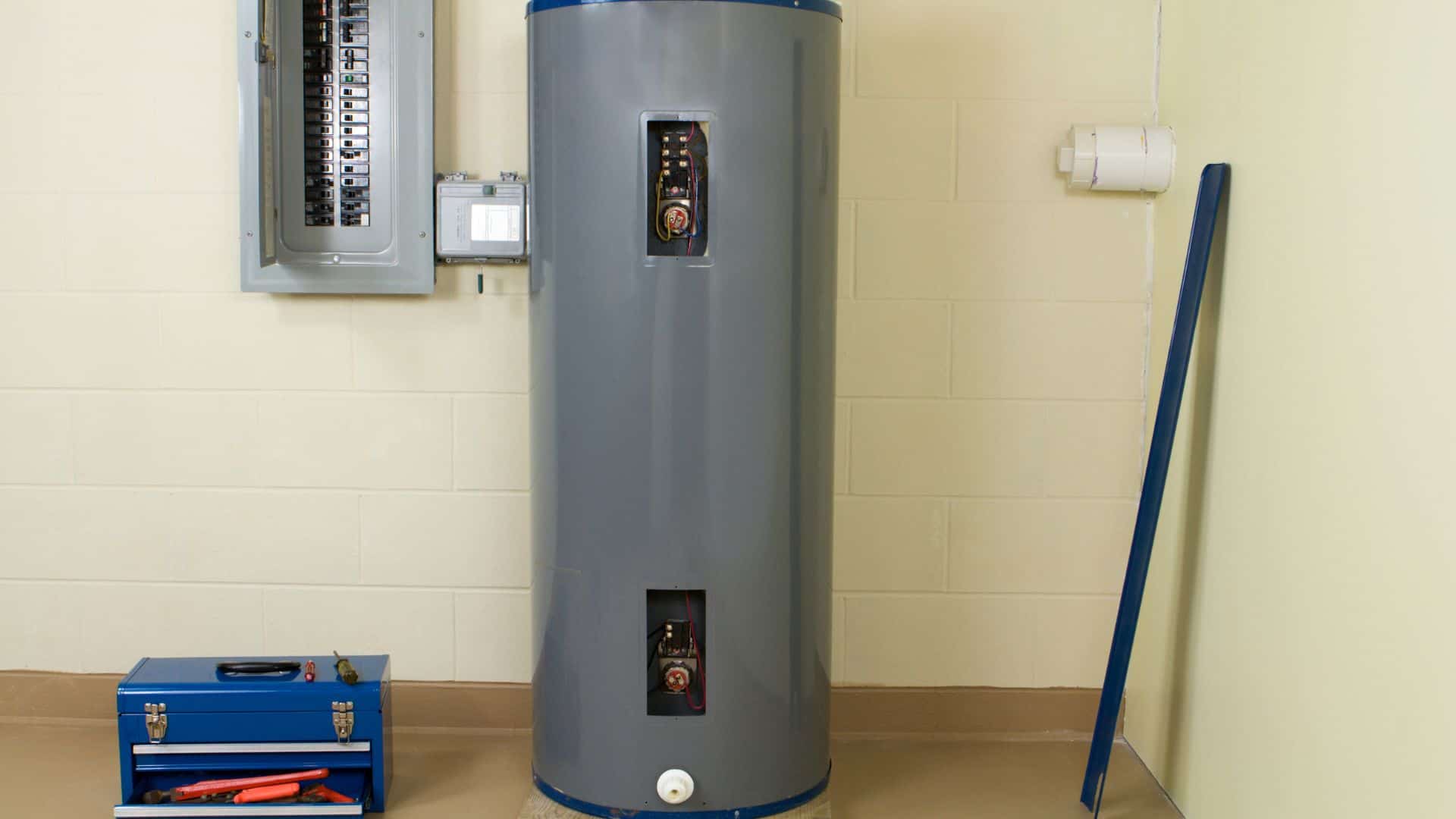
Electrical connections matter more than most homeowners realize. Your AC draws significant power, especially during startup. Installers should verify that your electrical panel can handle the load, that wire gauge is appropriate for the amperage, and that connections are tight and properly grounded.
Loose connections cause voltage drops, which make your system work harder and fail sooner. In extreme cases, they create fire hazards.
Condensate drainage prevents water damage and system shutdowns. Your AC produces moisture as it cools—sometimes gallons per day in Las Vegas humidity levels. That water needs somewhere to go.
Installers should set up primary and secondary drain lines, test flow, and install overflow switches that shut the system down if the drain clogs. Skipping this step leads to water backing up into your home or the system freezing up because water can’t drain properly.
After everything’s installed, the system should be tested thoroughly. That means running a full cooling cycle, checking airflow at each vent, measuring temperature drop across the coil, verifying thermostat operation, and listening for unusual noises. A professional installer walks you through how to operate your new system, explains the thermostat settings, shows you where the air filter is and how often to change it, and answers your questions before they leave.
If your installer finishes in three hours and rushes out the door, something got skipped.
Finding the Right AC Installation Service in Clark County
Choosing an HVAC installation near me in Las Vegas, NV comes down to finding someone who understands what this climate demands and has the credentials to back it up. You’re looking for proper licensing, relevant certifications like NATE and EPA, transparent pricing that doesn’t hide costs in fine print, and warranties that actually protect your investment—both parts and labor.
Don’t rush the decision because it’s hot and you’re uncomfortable. That’s when mistakes happen. Take time to get multiple quotes, verify credentials, ask about their installation process, and check references. A good contractor welcomes questions because they know informed customers make better partners.
When you’re ready to move forward with a new AC system installation that’s sized correctly, installed professionally, and backed by people who stand behind their work, we bring 18 years of experience working specifically in Clark County’s desert conditions. Our EPA-certified, NATE-certified technicians handle everything from load calculations to final testing, and we’re available 24/7 when you need us most.