Summary:
Why Maintenance Plans Prevent Costly Emergency Repairs
Emergency HVAC repairs in Las Vegas don’t just happen at inconvenient times. They happen during 115-degree heat waves when every technician in the valley is booked solid and after-hours rates apply. A capacitor that could have been replaced for $150 during a routine visit suddenly becomes a $3,000 compressor failure because the system kept running while damaged.
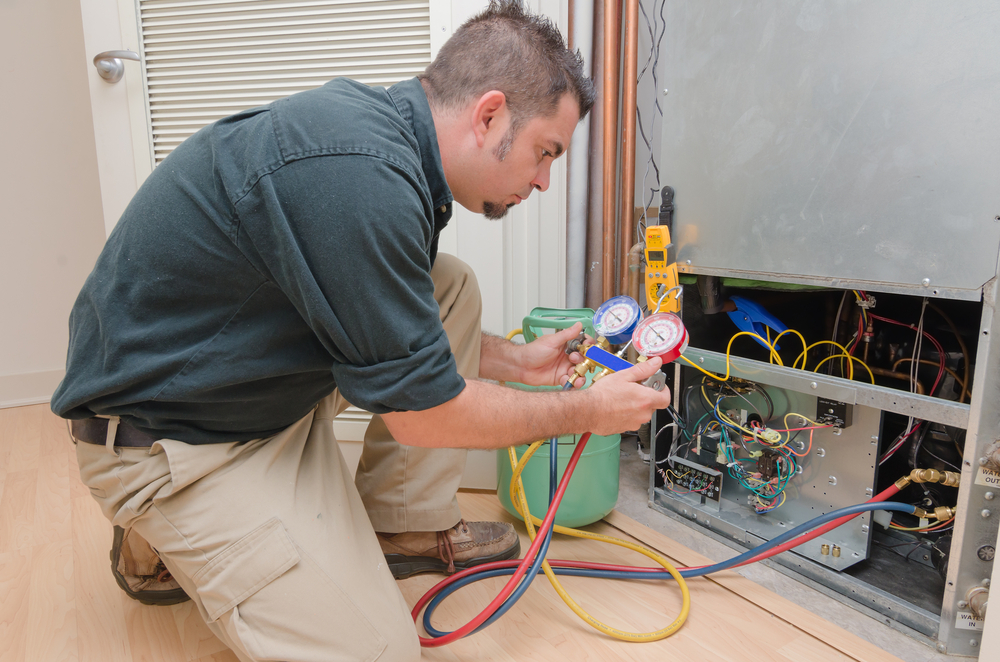
Maintenance plans work because they’re designed around prevention, not reaction. Regular inspections catch worn components before they fail completely. Our technicians spot refrigerant leaks while they’re still small, clean coils before efficiency drops, and tighten electrical connections before they cause shorts.
The cost difference is substantial. Preventive maintenance can lower your repair costs by up to 40% by identifying issues when they’re still minor and inexpensive to fix. You’re also avoiding the premium charges that come with emergency service calls, which often include after-hours fees and expedited parts sourcing.
What's Actually Included in Professional HVAC Maintenance
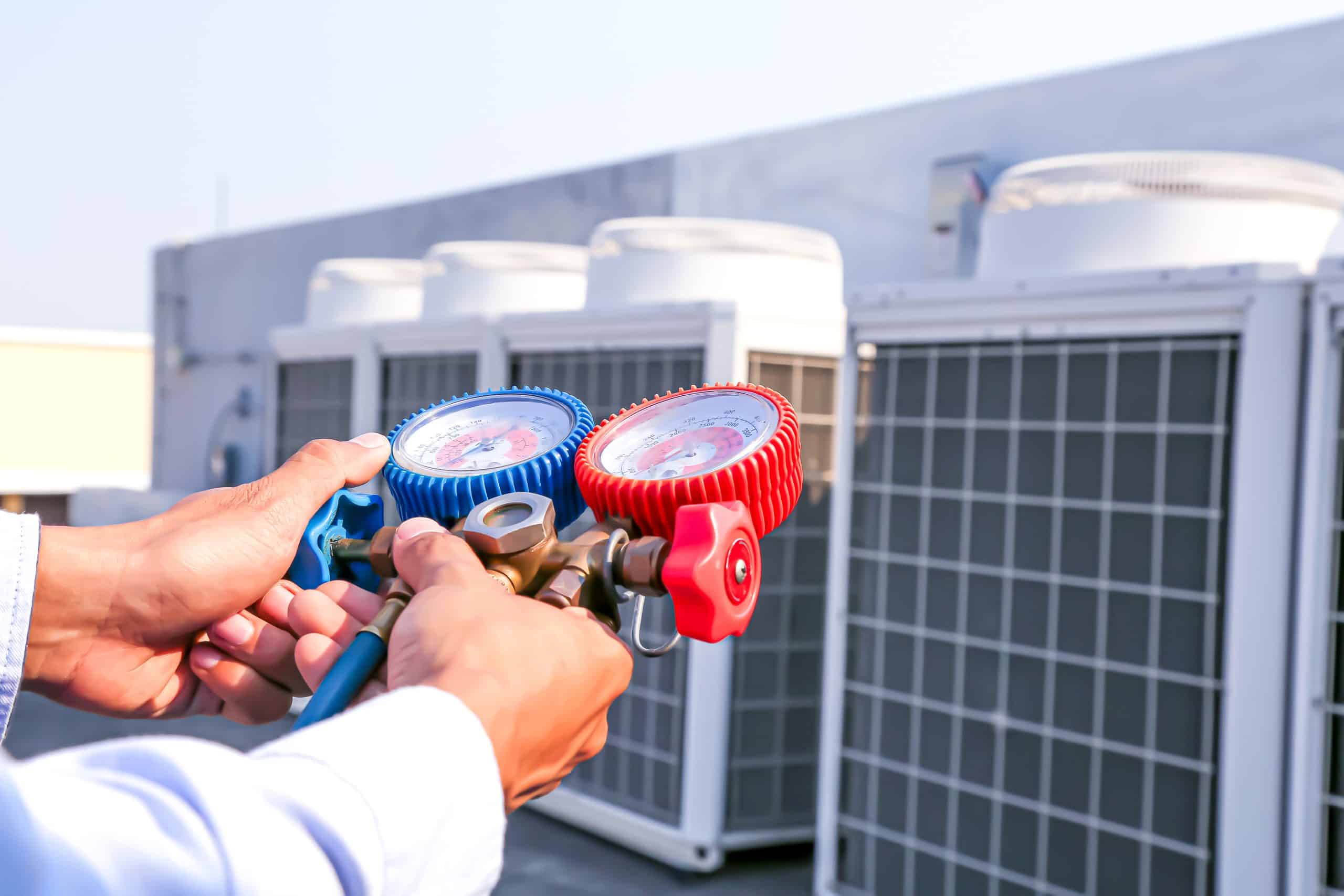
Professional maintenance isn’t just changing a filter and calling it done. A thorough tune-up includes checking refrigerant levels to ensure your system cools efficiently without overworking the compressor. We clean or replace filters, inspect electrical connections for signs of wear or corrosion, and lubricate moving parts to reduce friction and prevent premature failure.
The service also covers checking the ductwork for leaks that waste conditioned air, examining the condensate drain to prevent water damage and clogs, and testing the thermostat for accurate temperature readings. Safety controls get inspected to ensure the system shuts down properly if something goes wrong. In Las Vegas specifically, where dust and debris accumulate quickly, coil cleaning becomes critical—dirty coils can force your system to work 20-40% harder, directly increasing your energy consumption.
We recommend AC maintenance at least twice a year. Once before the brutal summer months when your AC will run nearly continuously, and again before winter when heating systems need to function reliably. Given that Las Vegas now experiences more than 100 days above 100°F annually, that second check isn’t excessive—it’s necessary. The extreme conditions here mean a 10-year-old system in Las Vegas has effectively done the work of a 15-year-old system in a moderate climate.
The typical cost for maintenance visits in Las Vegas ranges from $150 to $350 depending on your system type and the thoroughness of the service. When you compare that to emergency repair costs that easily run into the thousands, or the $7,500 to $12,000 you’d spend replacing a complete system, maintenance becomes the obvious choice. We offer annual plans that include both seasonal visits plus priority scheduling and discounts on any repairs that do become necessary.
How Maintenance Plans Save You Money Beyond Just Repairs
The savings from maintenance plans extend well beyond avoiding emergency repair bills. Well-maintained systems operate at their manufacturer-rated efficiency, while neglected systems lose 5-10% efficiency in just the first year without service. After several years of neglect, efficiency losses can reach 25-40%, meaning you’re paying significantly more every month to achieve the same level of comfort.
For a Las Vegas household spending $18,000 annually on HVAC energy costs, even a 10% efficiency loss wastes $1,800 per year. A maintenance plan costing $1,200 annually prevents that waste while delivering additional benefits like extended equipment life and fewer disruptions. The energy savings alone typically justify the maintenance cost before you even factor in avoided repairs.
Regular maintenance also extends your system’s lifespan substantially. According to the Department of Energy, proper maintenance can make HVAC systems last up to 30% longer than neglected equipment. When you’re looking at a $10,000+ investment in a new system, adding several years of reliable service through maintenance represents thousands in delayed replacement costs. You’re essentially paying a few hundred dollars annually to protect a five-figure investment.
There’s also the warranty consideration. Most manufacturer warranties require proof of regular professional maintenance. Skip the maintenance, and you might find yourself paying out of pocket for a repair that should have been covered. Professional service creates the documentation you need if a warranty claim becomes necessary. Beyond the financial aspects, maintained systems provide more consistent comfort, better humidity control, and improved indoor air quality—benefits that affect your daily life even when you’re not thinking about HVAC costs.
Correct System Sizing Eliminates Waste and Reduces Bills
System sizing might sound like a technical detail, but it’s actually one of the biggest factors in whether your HVAC investment saves you money or costs you thousands in wasted energy. An incorrectly sized system—whether too large or too small—creates problems that show up every month on your utility bill and eventually in premature equipment failure.
The assumption that bigger is better doesn’t apply to HVAC. An oversized system cools your space quickly but shuts off before completing a full cycle, which means it never runs long enough to properly dehumidify the air. You end up with a home that feels clammy and uncomfortable even though the temperature reads correctly. The constant short cycling also wears out components faster because the stress of startup is when most wear occurs.
Undersized systems create the opposite problem but with similar cost consequences. The system runs continuously trying to reach the target temperature, never quite getting there on the hottest days. Components wear out from constant operation, energy bills climb because the system never gets a break, and you’re uncomfortable despite the system working as hard as it possibly can. Improper installation can reduce energy efficiency by up to 30%, turning what should be an efficient system into an energy-wasting liability.

How Professional Load Calculations Determine the Right Size
We don’t guess at system sizing—we perform detailed load calculations that account for every factor affecting your home’s heating and cooling needs. The calculation considers your home’s square footage, but that’s just the starting point. Insulation levels matter significantly because poorly insulated homes lose conditioned air faster. Window size, placement, and quality affect heat gain during summer and heat loss during winter.
Ceiling height changes the volume of air that needs conditioning. The number of occupants and heat-generating appliances add to the cooling load. Even factors like which direction your home faces and how much shade covers it during peak sun hours go into the equation. In Las Vegas specifically, the extreme summer temperatures mean systems often need more capacity than the same square footage would require in a moderate climate—but not so much that you end up with an oversized unit.
The industry-standard method is called a Manual J calculation, which takes all these variables into account to determine precisely how much heating and cooling capacity your home requires. A properly sized system matches your home’s needs closely enough that it runs in complete cycles, maintains consistent temperatures, controls humidity effectively, and operates efficiently without constant cycling or continuous runtime.
When contractors skip this step and simply match tonnage to square footage using a rule of thumb, you often end up with problems. The three-ton unit that works perfectly in one 2,000-square-foot home might be completely wrong for another 2,000-square-foot home with different insulation, window exposure, or layout. Professional sizing eliminates guesswork and ensures your system performs as the manufacturer intended, delivering the efficiency ratings and lifespan you paid for.
What Happens When Your System Is Incorrectly Sized
The consequences of incorrect sizing show up immediately in your comfort and quickly in your wallet. Oversized systems create what’s called short cycling—the unit kicks on, rapidly cools the space near the thermostat, then shuts off before completing a proper cooling cycle. This leaves some rooms too cold while others stay warm, creates humidity problems because the system doesn’t run long enough to remove moisture, and dramatically increases wear on components that experience the most stress during startup.
Short cycling also prevents your system from reaching its rated efficiency. HVAC systems are designed to run in complete cycles where they gradually reach optimal operating temperature and efficiency. When the system constantly starts and stops, it operates in the least efficient part of its cycle most of the time. You’re paying for a high-efficiency system but getting performance that’s significantly worse than the SEER rating suggests.
Undersized systems face different but equally expensive problems. The system runs constantly on hot days but never quite reaches the target temperature. You find yourself constantly adjusting the thermostat down, trying to get more cooling that the system simply cannot deliver. The continuous operation means components that should last 15 years might fail in 8 or 10 because they’re running two or three times as many hours annually as they were designed for.
Energy bills with an incorrectly sized system are consistently higher than they should be, but most homeowners don’t realize it because they have no comparison point. They assume that’s just what it costs to cool a home in Las Vegas, not recognizing that a properly sized system would deliver the same comfort for 20-30% less energy. Over the 15-year lifespan of an HVAC system, that difference adds up to thousands of dollars in unnecessary utility costs, plus the early replacement cost when the system fails prematurely from the stress of incorrect sizing.
Making Professional HVAC Service Work for Your Budget
Professional HVAC service isn’t an expense—it’s an investment that pays returns through lower energy bills, fewer emergency repairs, and extended equipment life. The key is getting started before problems force your hand. A maintenance plan costs a few hundred dollars annually but prevents the thousand-dollar emergencies that happen when systems fail during peak demand.
When you’re evaluating whether repair or replacement makes sense, the math becomes clearer with professional guidance. If your system is under 10 years old and the repair costs less than half of replacement, repair usually makes financial sense. For older systems with major component failures, replacement might actually save you money long-term through improved efficiency and reliability.
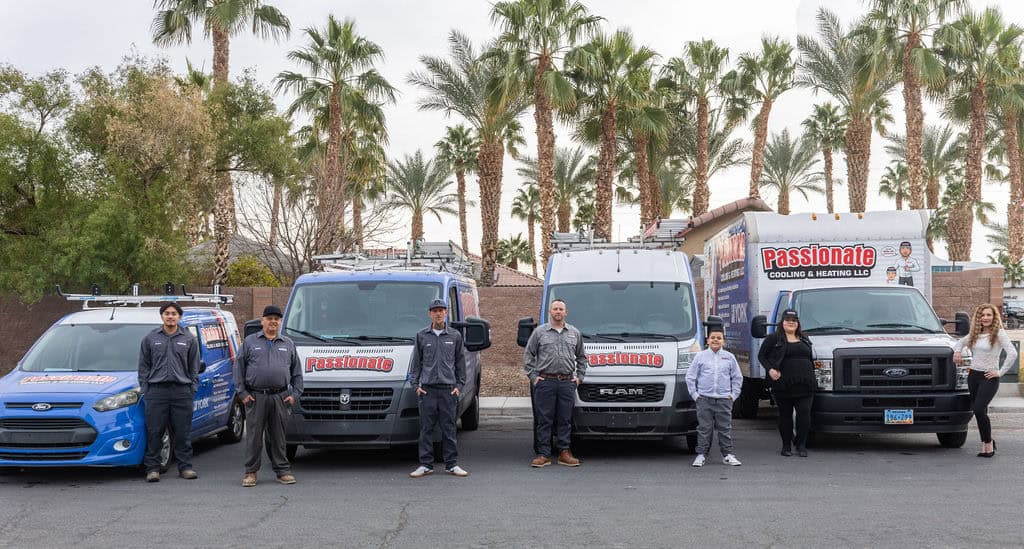
The most expensive approach is waiting until complete failure forces an emergency replacement during the hottest week of summer when you have no time to compare options, negotiate pricing, or plan the expense. Professional maintenance and early intervention give you control over the timing and cost of HVAC decisions. If you’re ready to stop overpaying for comfort and start protecting your HVAC investment, reach out to us at Passionate Cooling & Heating LLC to discuss maintenance plans and system optimization for your home.