
Summary:
How Heat Pumps Perform in Las Vegas Desert Climate
Heat pumps thrive in Las Vegas because they transfer heat rather than generate it through combustion. They can stand up to even the above-100 temperatures of a desert summer and are more energy-efficient, especially in a climate like Las Vegas, where extreme cold is rare.
Air-source heat pumps, the kind we recommend for Vegas, excel in our climate. During summer, your heat pump works exactly like a traditional air conditioner, extracting heat from inside your home and releasing it outdoors. Las Vegas winters are mild enough that you don’t need a heat pump rated specifically for cold weather.
The key advantage is efficiency. A heat pump is a more efficient option when it comes to these moderate temperatures—that makes it perfect for our climate here in Las Vegas.
Heat Pump Efficiency in Extreme Desert Heat
When outdoor temperatures soar above 110°F, you might wonder if heat pumps can keep up. The answer depends on proper sizing and installation for desert conditions. Heat pump systems in the Mojave Desert region need to be able to withstand intense summer heat as well as cool desert nights.
Desert climates like Lake Las Vegas require air conditioning equipment designed for extreme operating conditions and high ambient temperatures. Standard residential units can struggle or fail when outdoor temperatures exceed 110°F for extended periods. High-efficiency systems with variable speed compressors and enhanced heat exchangers perform better in extreme heat while using less energy.
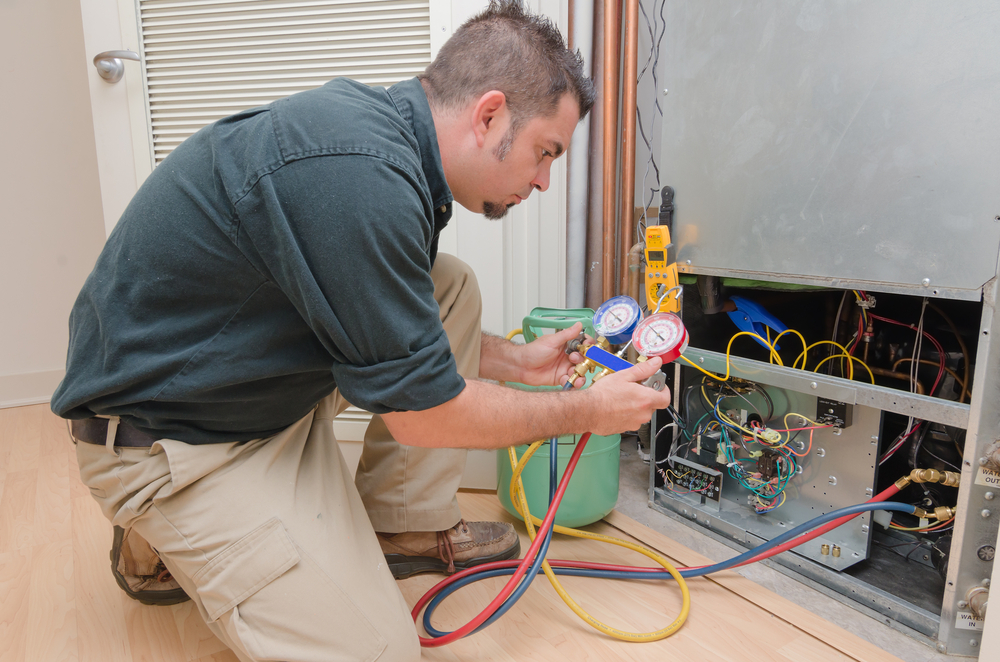
Professional installation makes the difference. Professional heat pump installation from a local team who understands the unique climate in Las Vegas is crucial. We can recommend the best heat pump for your home, installing the right pump for your home’s needs based on square footage, insulation, and location-specific conditions in our arid environment.
The reality is that properly sized and installed heat pumps handle Las Vegas summers effectively. Heat pumps perform fantastically in the Las Vegas climate. They can stand up to even the above-100 temperatures of a desert summer and the chilly winter nights that dip below freezing. You get consistent cooling without the energy waste of oversized traditional systems.
Winter Heating Performance in Desert Climate
Las Vegas winters present unique challenges – not extreme cold, but temperature swings from hot days to chilly nights. Heat pumps efficiently manage Las Vegas’s mild winters and occasional cold nights, keeping your home warm and comfortable.
Furnaces are great at supplying heat in nearly any temperature, but for temperatures around 30°F to 40°F, they can be too powerful. In truth, a heat pump is a more efficient option when it comes to these moderate temperatures—that makes it perfect for our climate here in Las Vegas.
Heat pumps work by extracting heat from outdoor air, even when it feels cold to you. In the winter, the process reverses, capturing heat from the outdoor air—even in cold temperatures—and moving it inside to warm your home. This process remains efficient down to about 25°F, well below typical Las Vegas winter lows.
We understand our climate’s wear and tear, from mineral deposits in hard water to dust and particulate buildup and rapid temperature changes from hot summer days to cold winter nights. Each of these factors can cause damage if not properly addressed. However, with proper maintenance, heat pumps provide reliable winter comfort while using less energy than traditional heating methods.
The efficiency advantage is significant. For homes in Las Vegas and southern Nevada, heat pumps will reduce annual heating costs by about 30% compared to heating with gas, saving homeowners more than $100 per year.
Heat Pump Maintenance Requirements in Las Vegas
Desert conditions create specific maintenance challenges that you need to understand before choosing a heat pump. Regular maintenance is especially vital for heat pumps in Las Vegas, where dust storms and extreme heat can adversely impact system performance. Our comprehensive maintenance program includes everything from cleaning sand and debris from coils, to inspecting electrical connections, and ensuring proper airflow – all of which are crucial in our desert environment.
Bi-annual maintenance is recommended to handle the heavy cooling demand during Las Vegas’s long summers and ensure efficient operation. This isn’t optional in our climate – it’s essential for system longevity and efficiency.
Desert-Specific Maintenance Challenges
Las Vegas presents unique maintenance challenges that don’t exist in moderate climates. From extreme heat to sand, dust, and coil corrosion, Las Vegas weather can be hard on your heating and cooling system. Our area’s frequent dust storms and high particulate matter can create a strain on your system, compromising efficiency, clogging filters, coating coils.
In Las Vegas, this also means regularly removing tumbleweeds, dust, and other desert debris that can accumulate quickly. Dirty coils are efficiency killers, especially in dusty desert environments. You’ll need more frequent filter changes – monthly during summer months rather than quarterly.
Clean air filters are crucial for heat pump efficiency, especially in Las Vegas where dust and debris are constant challenges. Replace or clean filters monthly during summer months, and consider upgrading to high-efficiency filters that can handle desert conditions while maintaining proper airflow.
Outdoor unit care becomes critical. Keep the area around your outdoor unit clear of debris, vegetation, and stored items. Maintain at least two feet of clearance on all sides and four feet above the unit. In Las Vegas, this also means regularly removing tumbleweeds, dust, and other desert debris that can accumulate quickly.
Professional coil cleaning takes on greater importance. Dirty coils are efficiency killers, especially in dusty desert environments. Have your outdoor coils professionally cleaned at the beginning of each cooling season, and consider more frequent cleaning if you live in areas with heavy dust exposure.
Maintenance Schedule for Desert Conditions
Most heat pumps last 10-15 years with regular maintenance. Las Vegas heat pumps should get a twice-annual tune-up, once before AC season starts and once before heating season starts. This schedule accounts for the year-round operation your system experiences in our climate.
We advise scheduling maintenance at least annually to maintain your system’s efficiency. Las Vegas’s climate exerts extra demands on your heat pump, making routine check-ups crucial for avoiding sudden failures and ensuring comfort all year long. Considering Las Vegas’s unique environmental factors, more frequent maintenance inspections may be helpful. Dust accumulation and temperature stress tend to occur faster, so biannual check-ups are a wise choice for preserving peak performance and maximizing your system’s lifespan.
We recommend maintenance twice a year. Moreover, regular maintenance prevents about 80% of major repairs. The investment in preventive care pays off significantly in our harsh climate.
Warning signs require immediate attention in Las Vegas conditions. Indicators like rising energy bills, inconsistent temperatures, unusual noises, and poor airflow might signify the need for maintenance. Signs include uneven temperatures, reduced airflow, higher energy bills, or strange noises coming from the unit.
The extreme temperature swings stress components more than moderate climates. We understand our climate’s wear and tear, from mineral deposits in hard water to dust and particulate buildup and rapid temperature changes from hot summer days to cold winter nights. Each of these factors can cause damage if not properly addressed. Temperature swings can be especially stressful for heat pumps if not properly maintained.
Cost Analysis: Heat Pumps vs Traditional HVAC Systems
Understanding the true cost comparison helps you make an informed decision about heat pumps for your Las Vegas home. A heat pump costs $3,800 to $8,200 with installation, depending on the unit type, size, and efficiency rating. A heat pump replaces traditional HVAC systems by providing both heating and cooling. They are extremely energy efficient, saving 30% to 70% on energy costs and lowering electricity bills by $300 to $1,500 annually. These energy savings allow a heat pump to pay for itself within 5 to 12 years, depending on usage and utility rates in your area.
The efficiency advantage becomes more pronounced in Las Vegas. A new heat pump can cut your Nevada energy costs by up to 50 percent when you make the switch from a furnace or baseboard heater, according to the US Department of Energy (DOE). For homes in Las Vegas and southern Nevada, heat pumps will reduce annual heating costs by about 30% compared to heating with gas, saving homeowners more than $100 per year.
Federal incentives sweeten the deal significantly. In 2025, even more savings will be available through Home Energy Rebates. Lower and moderate-income families can receive up to $14,000 in upfront savings on clean energy upgrades for a home or apartment. The rebates will be implemented by the Nevada Governor’s Office of Energy with an expected launch in 2025. Households that are Low-income (<80% of the Area Median Income as defined by HUD) qualify for 100% rebate on the purchase and installation cost of qualified electrification projects. Households that are Moderate income (80-150% of their Area Median Income as defined by HUD) qualify for 50% rebate on the purchase and installation cost of qualified electrification projects.
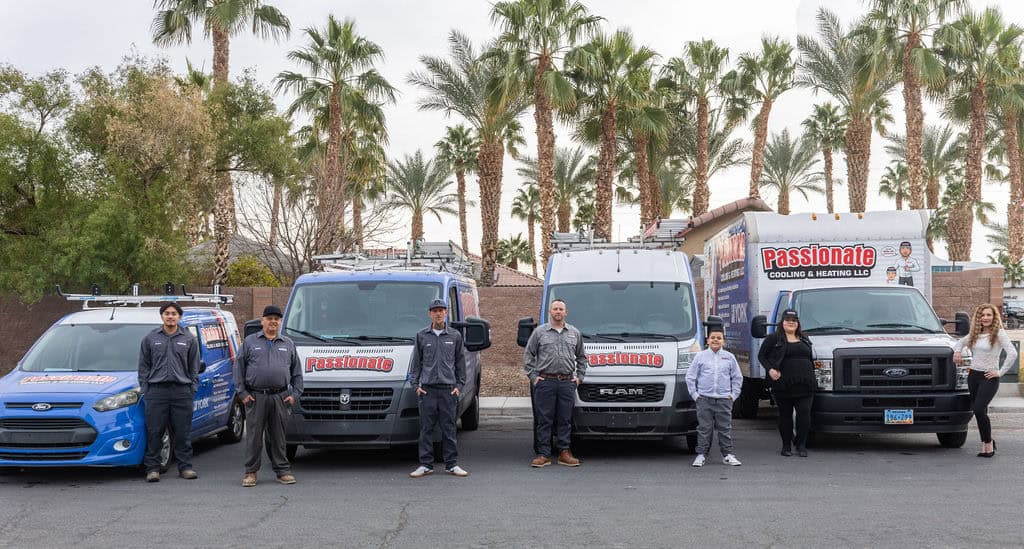
When you factor in the single-system convenience, energy savings, and available incentives, heat pumps often provide better value than traditional split systems for Las Vegas homes. The key is working with experienced professionals who understand desert installation requirements and can properly size your system for extreme conditions. Passionate Cooling & Heating LLC brings 18 years of desert climate expertise to ensure your heat pump investment delivers the comfort and savings you expect.