Summary:
How Heat Pumps Handle Las Vegas Desert Heat
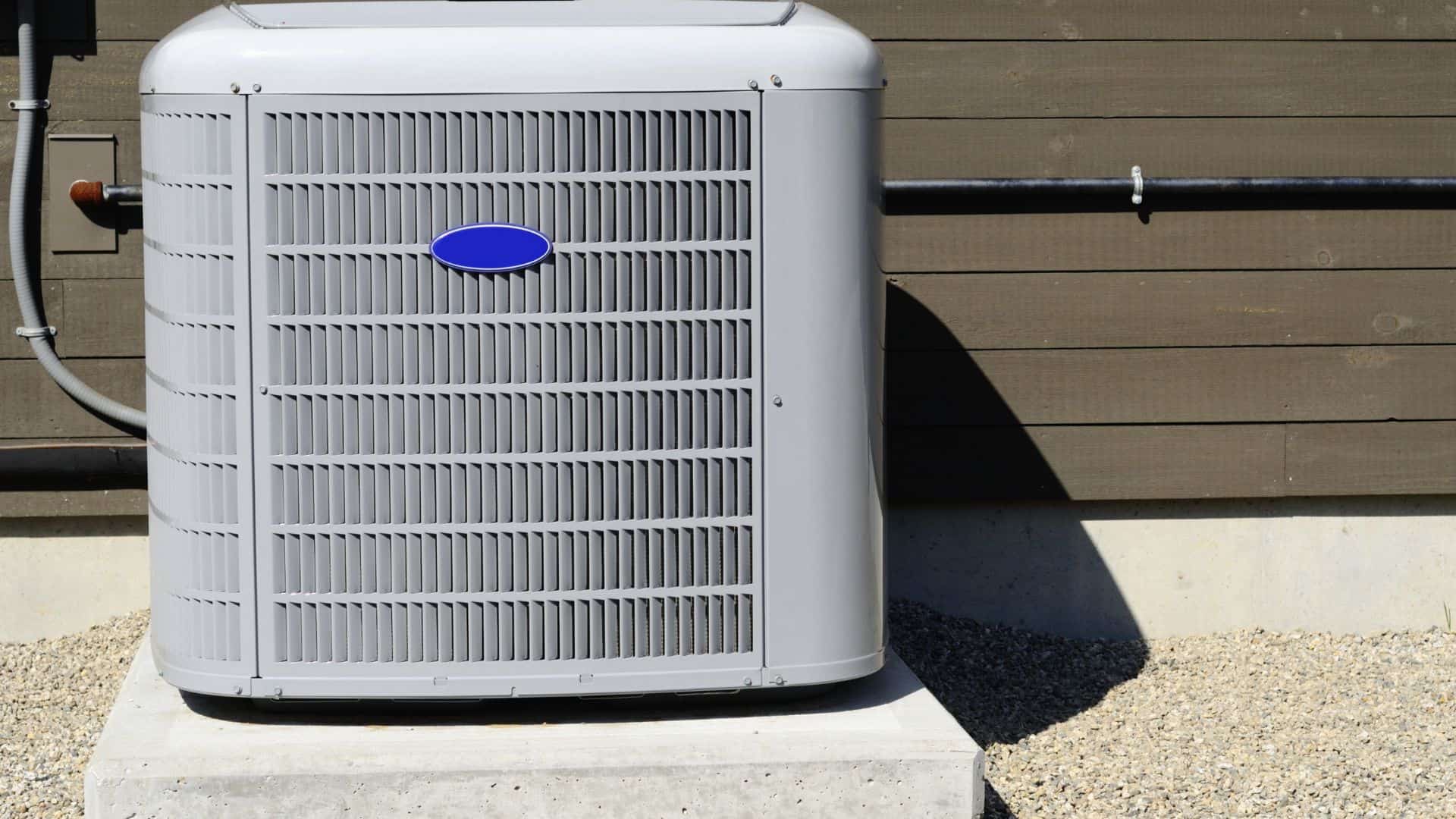
The old reputation of heat pumps struggling in extreme heat is outdated. Modern high-efficiency heat pumps are engineered specifically for desert climates like ours. They can operate effectively even when outdoor temperatures exceed 115°F, which covers even our hottest summer days.
Here’s the reality: during summer, a heat pump works exactly like your traditional AC. It’s moving heat from inside your house to the outside air. The difference comes in winter when it reverses that process to heat your home using the same system.
What Happens When Temperatures Hit 110°F and Above
When Las Vegas hits those brutal 110°F+ days, heat pumps do work harder—just like any cooling system would. The key difference is in the engineering. Newer variable-speed heat pumps can modulate their output instead of the harsh on-off cycling that damages traditional AC components over time.
During peak heat, you might notice your heat pump running longer cycles, but that’s actually more efficient than short-cycling. It maintains more consistent temperatures and puts less stress on the system components. Most quality heat pump installations in Las Vegas include backup heating elements for the rare occasions when outdoor temperatures exceed the unit’s optimal range.
The desert’s low humidity actually works in favor of heat pumps. Unlike humid climates where systems struggle with moisture removal, our dry air allows heat pumps to focus purely on temperature control. This means better efficiency and less wear on components that would otherwise work overtime removing humidity.
Professional sizing is critical here. An undersized heat pump will struggle on extreme days, while an oversized unit will short-cycle and waste energy. A properly sized system with professional installation handles our climate without issue.
Winter Performance Advantages in Southern Nevada
This is where heat pumps really shine in Las Vegas. Our mild winters are perfect for heat pump operation. When temperatures drop to 40-60°F, heat pumps can pull heat from the outside air and move it inside at a fraction of the cost of electric resistance heating.
Traditional furnaces generate heat by burning fuel or using electric resistance. Heat pumps move existing heat, which means they can produce three units of heat energy for every unit of electricity consumed. In Las Vegas winters, this translates to significant savings on your heating bills.
Even on our coldest nights when temperatures dip into the 30s, modern heat pumps continue working efficiently. The system only switches to backup heating on the rare occasions when temperatures drop below the heat pump’s effective range—maybe a few nights per year in Las Vegas.
You’re essentially getting a heating and cooling system in one unit. No separate furnace needed, which means less equipment to maintain, less space required, and often lower installation costs. For Las Vegas homeowners, this dual functionality makes heat pumps particularly attractive from both cost and convenience perspectives.
Cost Analysis and Available Rebates for Heat Pump Installation
The upfront cost of heat pumps versus traditional AC varies, but current rebates make the decision easier. NV Energy offers rebates ranging from $340 to $3,060 for qualifying high-efficiency systems, with income-qualified customers receiving up to $3,400. Federal tax credits can provide up to $8,000 for ENERGY STAR-certified heat pumps.
Beyond rebates, the operating costs tell a compelling story. A typical 2,000 square foot Las Vegas home can save $300-$500 annually with a heat pump versus separate heating and cooling systems.
Long-term Investment and System Lifespan
Heat pumps typically last 15-20 years with proper maintenance, while traditional AC units in Las Vegas often need replacement after 10-15 years due to extreme desert conditions. The constant cycling and stress from 110°F+ temperatures takes a toll on conventional systems.
The engineering difference matters here. Heat pumps are designed to work year-round, moving heat rather than generating it, which puts less stress on components. Traditional AC systems experience more wear from the harsh on-off cycling required to handle extreme temperature swings.
Maintenance requirements are actually simpler with heat pumps since you’re dealing with one system instead of separate heating and cooling equipment. Regular filter changes, annual professional tune-ups, and keeping the outdoor unit clear of debris will keep your system running efficiently for decades.
The desert environment does present challenges—dust, extreme temperatures, and temperature swings between day and night create thermal stress. However, professional installation with proper sizing and regular maintenance addresses these concerns effectively.
When Traditional AC Still Makes Sense
Heat pumps aren’t always the right answer. If you already have a newer, efficient gas furnace that you’re happy with, adding a high-efficiency AC might make more sense than replacing both systems. Some homeowners prefer the immediate, powerful cooling that traditional AC provides during peak summer months.
Budget constraints might also factor in. While rebates help significantly, the upfront cost of a complete heat pump system can be higher than replacing just an AC unit. If you’re dealing with an emergency replacement in July and need the most cost-effective immediate solution, traditional AC replacement might be the practical choice.
Existing ductwork condition matters too. If your current ducts need significant repair or replacement, the total project cost might push you toward a more basic AC replacement. However, many heat pump installations work with existing ductwork, so this isn’t automatically a disqualifying factor.
Your usage patterns play a role as well. If you travel extensively during winter months or keep your home at minimal heating levels, the year-round benefits of a heat pump become less compelling from a cost perspective.
Making the Right Choice for Your Las Vegas Home
Modern heat pumps handle Southern Nevada’s extreme climate better than most homeowners realize. They provide year-round comfort, significant energy savings, and longer system life compared to traditional cooling systems. The combination of available rebates and operating cost savings often makes them the smart financial choice.
The decision ultimately comes down to your specific situation—existing equipment, budget, usage patterns, and long-term plans. A professional assessment of your home’s cooling load, existing ductwork, and electrical system will give you the information needed to make the right choice.
For personalized advice on whether a heat pump makes sense for your specific situation, we offer comprehensive site assessments and consultations to help you navigate this important decision.