Summary:
Why Desert Heat Destroys Air Conditioning Systems
Las Vegas isn’t just hot—it’s relentlessly, punishingly hot in ways that push AC systems beyond their design limits. When outdoor temperatures climb above 110°F for weeks at a time, your system runs nearly non-stop just to maintain 78°F indoors. That’s a 32-degree temperature difference your AC has to fight every single day.
Most air conditioners are designed for moderate climates where they cycle on and off throughout the day. In the desert, that luxury doesn’t exist. Your compressor, condenser coils, and blower motor work overtime from April through October, accelerating wear and tear that would normally take years to develop.
The math is simple but brutal: the larger the temperature gap between inside and outside, the harder your system works and the more energy it consumes. Every degree above 95°F makes your AC work exponentially harder, driving up both your utility bills and the likelihood of component failure.
How Dust and Debris Clog Critical Components
The Mojave Desert doesn’t just deliver heat—it delivers dust in quantities that overwhelm standard air filtration systems. Las Vegas averages only 4 inches of rainfall per year, creating bone-dry conditions where dust particles stay airborne for extended periods. Strong desert winds carry these particles for miles, depositing them directly onto your outdoor condenser unit and infiltrating your home’s air system.
Here’s what most homeowners don’t realize: dust doesn’t just make your house dirty. It actively sabotages your AC’s ability to function. When dust accumulates on condenser coils, it creates an insulating barrier that prevents heat transfer. Your system has to work 30-40% harder to achieve the same cooling effect, driving up energy costs and component stress.
Indoor air filters in Las Vegas homes need replacement every 4-8 weeks instead of the typical 3-month interval. Dirty filters restrict airflow across evaporator coils, forcing your blower motor to work harder and potentially causing the coils to freeze up. This creates a cascade of problems: reduced cooling capacity, higher energy consumption, and potential compressor damage.
The dust problem compounds during monsoon season and high-wind events. A single dust storm can deposit enough particles to completely clog an air filter in 24 hours. Homeowners who don’t check filters regularly often discover their system has been struggling for weeks with severely restricted airflow.
Professional maintenance becomes critical in desert climates because we have specialized equipment to thoroughly clean condenser coils and remove debris that standard garden hoses can’t eliminate. We also understand which filter types work best for desert conditions and can recommend upgrade options for homes that experience excessive dust infiltration.
Continuous Operation Wears Out Key Components
In moderate climates, air conditioners cycle on and off throughout the day, giving components time to cool down and reset. Las Vegas systems don’t get that break. From June through September, many AC units run 12-16 hours daily, creating wear patterns that lead to predictable failure points.
The compressor bears the heaviest load during continuous operation. This component pressurizes refrigerant and initiates the cooling cycle, but it’s also the most expensive part to replace. Compressors that might last 15-20 years in moderate climates often fail after 8-12 years in desert conditions. Warning signs include the system starting but only blowing warm air, or shutting off mid-cycle during peak heat.
Capacitors are another common failure point under continuous operation stress. These components help start the compressor and fan motors, but they’re designed for intermittent use. When they fail, your system won’t start at all, leaving you without cooling during the hottest part of the day. The good news: capacitor replacement is relatively inexpensive if caught early.
Fan motors in both indoor and outdoor units work overtime in desert conditions. Outdoor condenser fan motors face additional challenges from extreme heat, UV exposure, and debris infiltration. Indoor blower motors struggle against restricted airflow from dust-clogged filters and ductwork. Both typically show warning signs before complete failure: unusual noises, reduced airflow, or intermittent operation.
Refrigerant lines also face unique stresses in desert climates. Extreme temperature swings between day and night cause expansion and contraction that can create micro-leaks in copper lines. Low refrigerant levels reduce cooling efficiency and can cause compressor damage if not addressed promptly. We use specialized equipment to detect and repair these leaks before they cause system failure.
Most Common AC Failures in Las Vegas Homes
Certain problems show up repeatedly in desert climates, and recognizing them early can save you thousands in emergency ac repairs. The most frequent service call in Las Vegas involves systems that run but don’t cool effectively. This usually indicates low refrigerant levels, dirty coils, or compressor issues.
Frozen evaporator coils might seem impossible when it’s 110°F outside, but they’re actually common in desert homes. Poor airflow from dirty filters, blocked vents, or failing blower motors causes coils to ice over, stopping cooling completely. The system may run constantly but produce no cold air.
Short cycling—when your AC turns on and off every few minutes—puts enormous stress on electrical components and indicates underlying problems. Common causes include oversized units, thermostat issues, or refrigerant problems that need professional diagnosis.
Refrigerant Leaks and Low Pressure Problems
Refrigerant doesn’t disappear on its own—it’s a closed-loop system that should maintain consistent levels for years. When Las Vegas homeowners experience reduced cooling capacity, low refrigerant is often the culprit, but the real problem is finding and fixing the leak that caused the loss.
Desert conditions create unique challenges for refrigerant systems. Extreme temperature swings cause copper lines to expand and contract repeatedly, potentially creating stress fractures at connection points. Vibration from units running continuously can also work fittings loose over time. Outdoor coils face additional risks from UV exposure and debris impact during dust storms.
The symptoms of low refrigerant are often subtle at first. Your system runs longer to reach set temperatures, energy bills gradually increase, and cooling becomes less effective during peak heat. By the time homeowners notice warm air from vents, refrigerant levels may be critically low, potentially causing compressor damage.
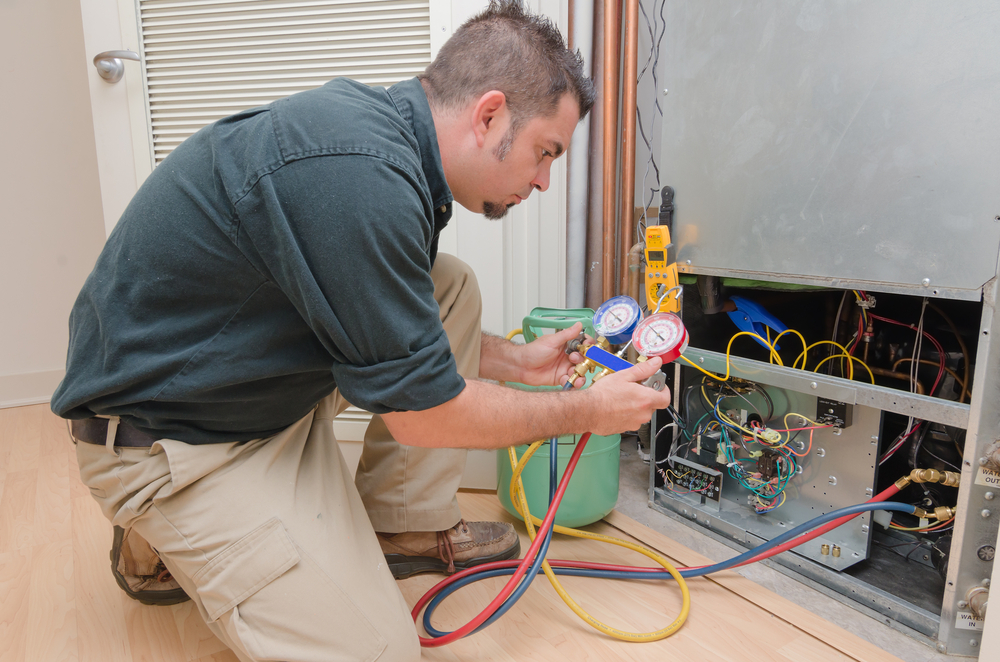
Professional diagnosis involves more than just adding refrigerant. We use specialized leak detection equipment to locate the source of refrigerant loss, which could be anywhere in the system from indoor coils to outdoor connections. Some leaks are simple to repair, while others in hard-to-reach locations or within coil assemblies may require component replacement.
The cost of ignoring refrigerant leaks compounds quickly in desert climates. Low refrigerant forces the compressor to work harder, increasing wear and energy consumption. Eventually, the compressor can fail completely, turning a relatively inexpensive leak repair into a major system replacement. Regular maintenance includes refrigerant level checks that can catch these problems before they become expensive emergencies.
Electrical Component Failures from Heat Stress
Las Vegas air conditioners face electrical stresses that systems in moderate climates never experience. When outdoor temperatures exceed 115°F, the ambient heat around electrical components approaches their design limits. Capacitors, contactors, and control boards that might last decades elsewhere often fail within 5-8 years in desert conditions.
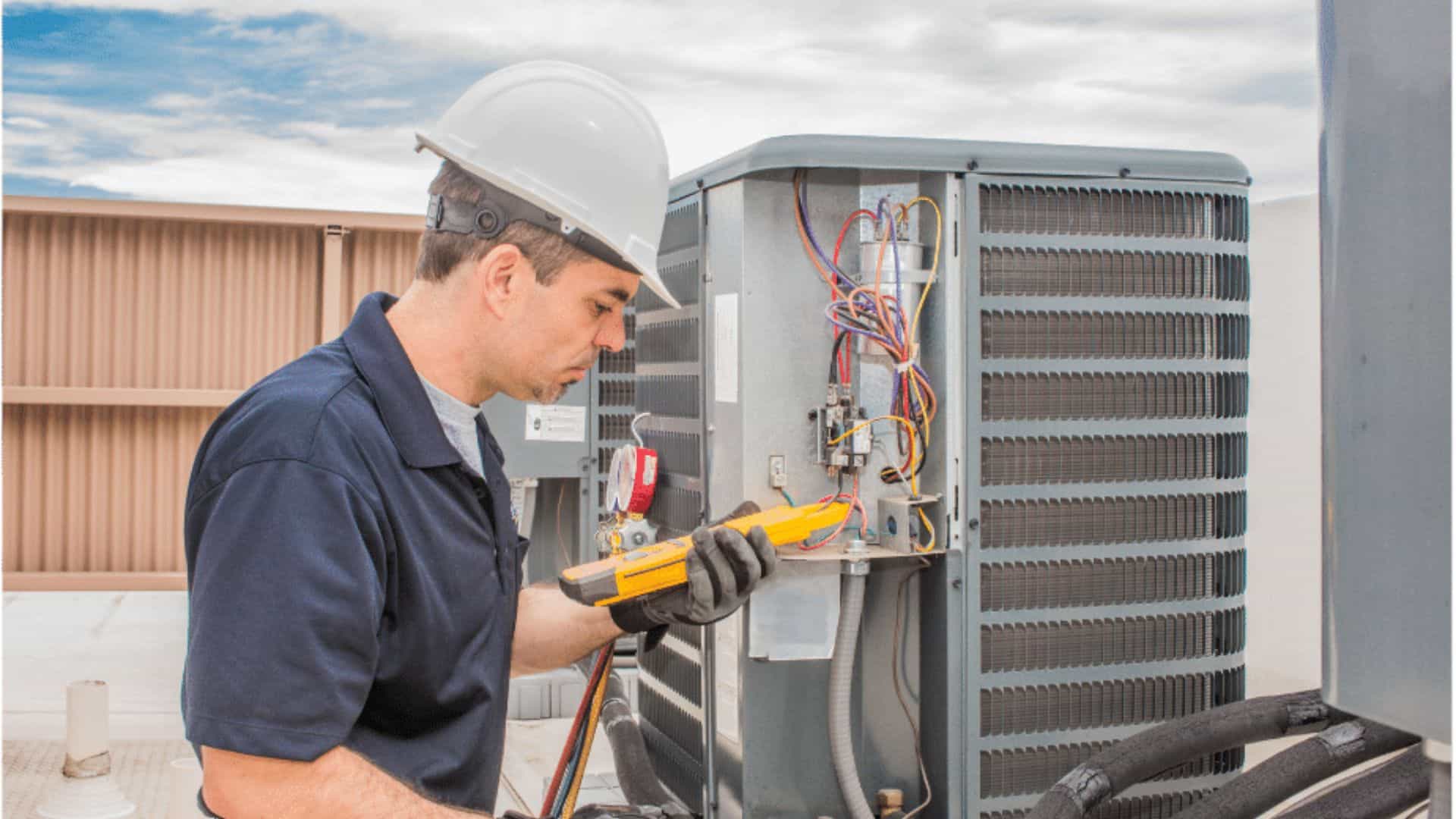
Capacitors are particularly vulnerable to heat stress because they’re located in outdoor units where temperatures can exceed 140°F in direct sunlight. These components store electrical energy to help start compressor and fan motors, but extreme heat causes the internal chemicals to break down. A failing capacitor might work intermittently at first, causing the system to struggle during startup or run inefficiently.
Contactors—the electrical switches that control power to major components—also suffer from heat exposure. These devices handle high electrical loads repeatedly throughout the day, and desert heat accelerates the wear on contact points. Warning signs include buzzing sounds from the outdoor unit, intermittent operation, or complete system failure during peak demand periods.
Control boards in both indoor and outdoor units contain sensitive electronic components that don’t tolerate extreme temperatures well. These computerized systems manage everything from thermostat communication to safety shutoffs, but they’re often located in areas with minimal heat protection. When control boards fail, symptoms can be erratic and difficult to diagnose without professional equipment.
The key to preventing electrical failures is regular inspection and proactive replacement of components showing wear signs. We can identify capacitors with reduced capacity, contactors with pitted surfaces, or control boards with heat damage before they cause complete system shutdowns. This preventive approach costs far less than emergency repairs during peak summer heat when replacement parts may be scarce and service calls command premium pricing.
Proven Prevention Strategies That Actually Work
Prevention isn’t just cheaper than repair—it’s the difference between controlled maintenance and emergency situations when you need cooling most. The most effective strategy combines monthly homeowner tasks with professional seasonal maintenance designed specifically for desert conditions.
Start with filter management that matches desert dust levels. Check filters monthly and replace them every 4-8 weeks, not the standard quarterly schedule. Invest in higher-quality pleated filters that trap smaller particles without restricting airflow. Keep your outdoor unit clear of debris, vegetation, and stored items that block airflow.
Professional maintenance becomes non-negotiable in desert climates. Schedule comprehensive tune-ups twice yearly—once before summer heat arrives and once after the cooling season ends. This allows us to address wear from continuous operation and prepare your system for the next extreme season. We offer maintenance plans that include priority service, discounted repairs, and the peace of mind that comes from working with local experts who understand exactly what Las Vegas systems need to survive and thrive.