Summary:
Your AC just became your most important appliance. In Clark County, where summer temperatures routinely hit 115°F and your system runs nearly nonstop for six months straight, hoping your HVAC holds up isn’t a strategy. It’s a gamble you can’t afford to lose. The good news? You don’t need a full Saturday or special tools to make a real difference. A handful of quick maintenance tasks, each taking 10 minutes or less, can prevent the breakdowns that happen when you need cooling most. These aren’t complicated procedures or risky repairs. They’re the high-impact moves that keep your system breathing easy between professional tune-ups. Let’s start with the single most important task on your list.
Why AC Maintenance Matters More in Desert Heat
Las Vegas isn’t just hot. It’s one of the most punishing climates for HVAC equipment in the United States. You’re dealing with a combination of extreme peak temperatures, relentless desert dust, and year-round system usage that stresses air conditioners more severely than almost any other major city.
Your system experiences more wear in one Las Vegas summer than systems in temperate climates see in two or three years. That compressed timeline means you need to be more proactive, not less. The desert climate creates specific stresses on cooling systems that standard maintenance schedules weren’t designed to handle.
When temperatures regularly exceed 110°F and your AC runs 12-16 hours daily for months, standard maintenance advice simply doesn’t cut it. The Mojave Desert doesn’t just bring heat—it brings dust, and lots of it. Your outdoor condenser unit sits exposed to fine desert particles that infiltrate every surface. A single dust storm can deposit enough debris to clog an air filter in 24 hours, not the 30 to 90 days you’d expect in other climates.
How Desert Dust Clogs Your System Faster Than You Think
This dust accumulation happens faster than most homeowners realize. Your outdoor condenser coils, which need to release heat efficiently, become coated with a layer of dirt and debris. That coating acts like insulation, preventing your system from dumping heat effectively.
The result? Your AC works harder, uses more energy, and still struggles to keep your home cool. Indoor air filters face the same challenge. What takes months to accumulate in humid climates can happen in days here. Homeowners who don’t check their filters regularly often discover their system has been struggling for weeks with severely restricted airflow, driving up energy bills and putting unnecessary strain on components.
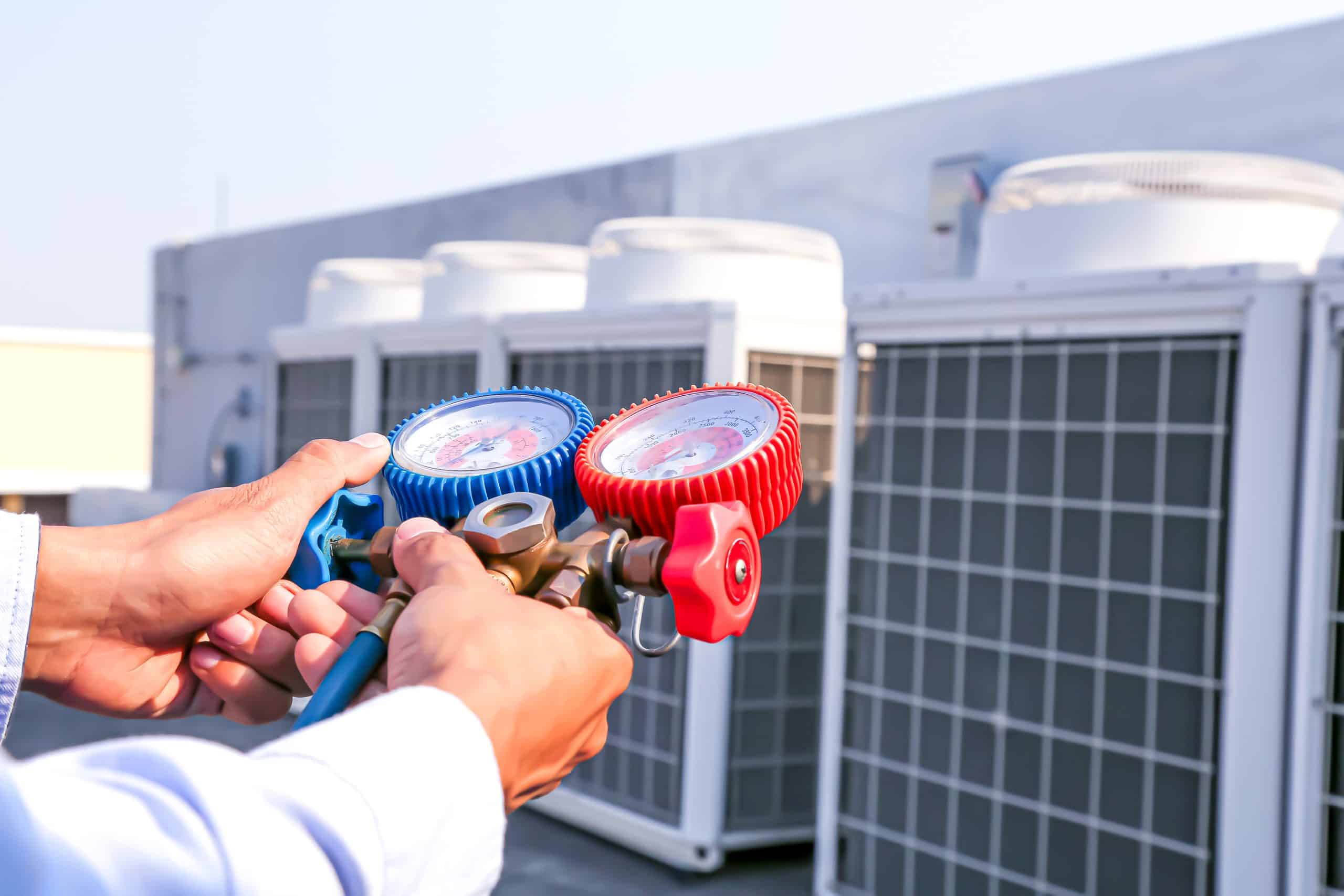
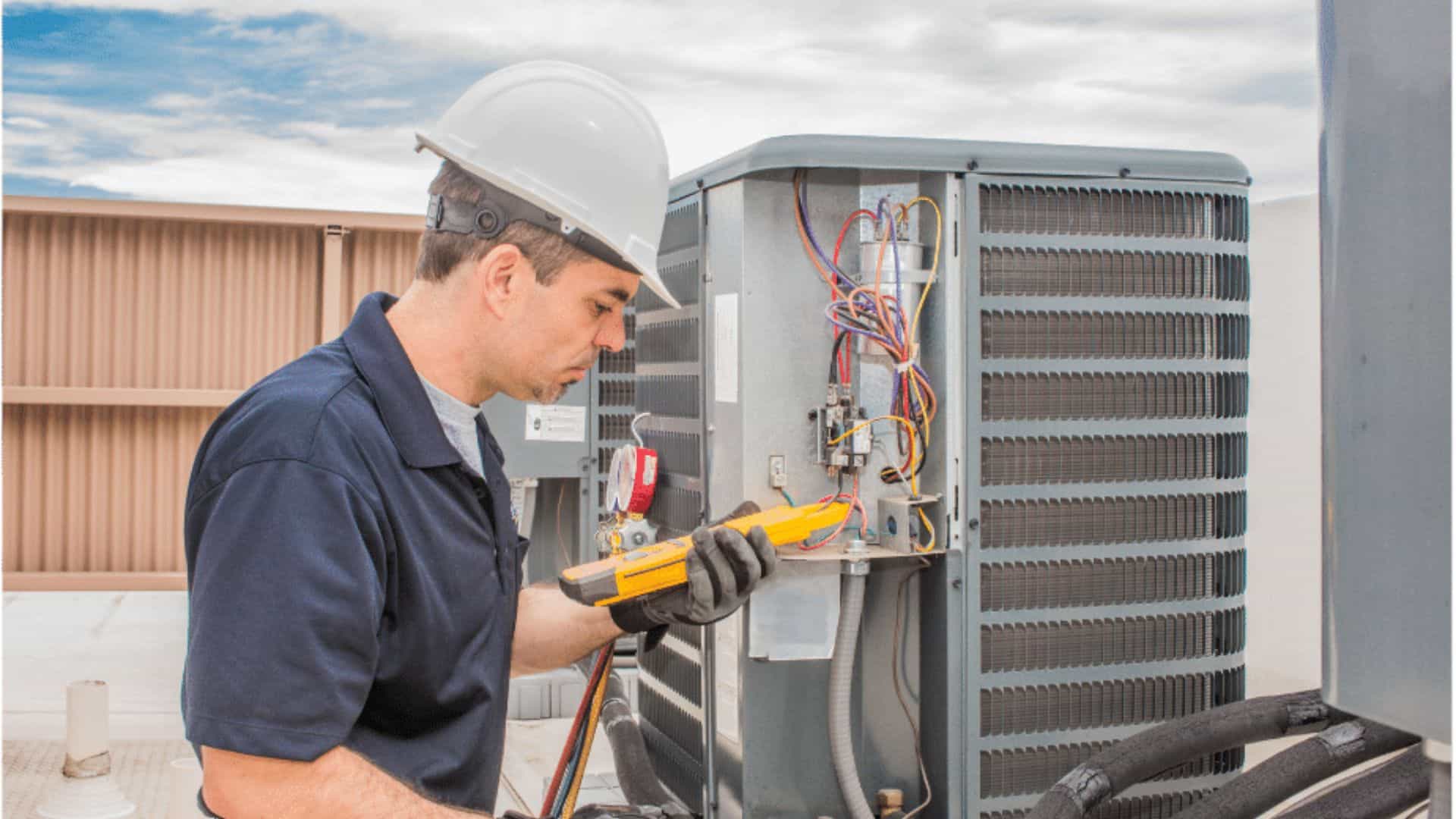
Your outdoor unit pulls air through the side coil and pushes hot air out the top with a spinning fan. When coils look dark and dusty, that matters because the coil is like a radiator. If it’s coated with dirt, it cannot release heat well. When an outdoor coil is dirty, your central AC has to work harder to get rid of heat. That can lead to longer run times, warmer air indoors, and higher energy bills.
Standard garden hoses can’t eliminate the debris that gets packed into condenser coil fins. You need specialized tools and cleaning solutions to thoroughly remove the buildup that accumulates in the desert environment. Skipping this deep cleaning is like asking your system to run a marathon while breathing through a straw—technically possible, but you’re going to pay for it.
Basic maintenance can also help your system last longer. Many breakdowns start with simple issues like restricted airflow, dirty coils, or drainage problems. Catching these early is one of the easiest ways to protect comfort in the hottest months.
What Happens When You Skip Regular Maintenance
Without proper care, your AC may struggle to keep your home cool, leading to higher energy bills and a shorter lifespan. Neglecting maintenance can result in dirty filters, clogged coils, and worn-out components, all of which affect performance and increase energy consumption.
As your air conditioner works harder in the extreme heat, it uses more electricity. If your HVAC system is older or inefficient, or if your ductwork is leaky, your monthly utility bills can skyrocket. A well-maintained AC system will cool your home more efficiently, saving you money in the long run.
When the outside temperature is much higher than the inside temperature you’re aiming for, your AC has to work double-time. Las Vegas heat can reduce the cooling efficiency of your AC system, especially if it’s low on refrigerant or hasn’t been cleaned recently. Dirty coils, clogged air filters, or restricted airflow can cause your system to struggle and even overheat.
During Las Vegas heatwaves, outdoor temperatures can exceed what older or undersized systems were designed to handle. Dirty coils, low refrigerant, poor airflow, or aging components can also reduce cooling performance. A professional inspection can determine whether repair, maintenance, or replacement is the best solution.
The combination of factors that stress air conditioning systems in Las Vegas is more severe than almost any other major city. Extreme peak temperatures, desert dust accumulation, and systems that run nearly continuously for months create a perfect storm of wear and tear. Regular service guarantees your AC works at its best, saving you money and stress.
Quick AC Maintenance Tasks You Can Do in 10 Minutes
You don’t need a full Saturday or special tools to make a real difference. These quick maintenance tasks take 10 minutes or less and prevent the most common failures. Think of them as your first line of defense between professional tune-ups.
Each task addresses a specific stress point that Las Vegas conditions create. You’re not performing surgery on your cooling system. You’re handling the frequent, lower-risk chores that keep air flowing and components working efficiently. These simple steps can prevent the emergency calls that happen at 3 PM on a 115-degree day.
The key is consistency. Monthly checks during cooling season catch problems while they’re still small. You’ll spot issues before they become expensive emergencies, and you’ll keep your system running at the efficiency level you’re paying for.
Check and Replace Your Air Filter Monthly
The single most important maintenance task you can handle yourself is checking and replacing your air filter. This takes about 5 minutes and prevents more problems than any other DIY task. The filter protects the sensitive internal components of your AC from dust and debris while also cleaning the air in your home.
A clogged filter severely restricts airflow, forcing the blower motor to work harder and occasionally causing the evaporator coil to freeze over. In Las Vegas, air carries significantly more dust, pollen, and debris than most cities, which means your filter clogs faster than the manufacturer’s general guidelines suggest.
For standard 1-inch filters, plan to swap them every 30 days during peak cooling season. If you have pets or your home gets particularly dusty, you might need to check even more frequently. A dirty filter can increase an air conditioner’s energy consumption by up to 15 percent.
Changing the filter requires sliding it out of its fitting and inserting a new one in its place. Most filters are located along the return duct at the indoor air handler or behind the return grille within the living space. Turn off your system at the thermostat before you remove the old filter. Check the airflow direction arrow on the new filter frame to make sure you’re installing it correctly.
Reusable filters can be wiped with a cloth, vacuumed, or washed in water. Allow the filter to air dry completely before reinstalling it. Clean filters improve system efficiency and indoor air quality, which is especially important for people with allergies or respiratory issues.
Dirty, clogged filters reduce airflow and system efficiency. When airflow is obstructed, dirt can bypass the filter and accumulate on the evaporator coil, reducing its heat-absorbing capacity. Replacing a dirty filter with a clean one helps your air conditioner operate efficiently, removes particulates from the air, and protects your system from dirt buildup that can cause it to fail prematurely.
Clear Debris From Your Outdoor Unit
Your outdoor AC unit needs room to breathe. If it’s buried in leaves, dirt, overgrown shrubs, or other debris, airflow gets blocked, which forces the equipment to work harder and wear out faster. Taking five minutes to clear debris could save you from sweating through a costly repair later.
Start by turning off the power to the unit at the disconnect switch. This is a vital safety step. Find the electrical disconnect box near the unit—usually a metal box on the wall—and either pull the handle out or flip the switch to “Off.” You can also turn it off at your main breaker panel.
Gently rake away any encroaching vegetation and use a soft brush to sweep dust and grime off the coil surfaces. Use your hands or a soft brush to remove leaves, twigs, and any other debris from the top and sides of the unit. Homeowners can easily remove leaves, grass clippings, and other loose debris from around the unit.
Keep the area around the condenser unit clean and remove debris. Trim foliage back at least two feet to ensure adequate airflow. The outdoor air conditioner unit’s job is to release heat from your home into the outside air. When it’s covered in dirt, leaves, and grass clippings, it’s like forcing it to wear a winter coat in the middle of summer. It can’t breathe, so it works harder, uses more electricity, and wears out faster.
A central AC system’s air compressor and condenser are usually located outside the house, close to your foundation. It works best when there’s about 24 inches of clear space in all directions, so get rid of nearby shrubs, tall grass, leaves, and hanging branches.
After clearing debris, you can rinse the exterior with a garden hose on a low-pressure setting, washing away trapped particles without bending the delicate fins. Check the insulation on the refrigerant lines and make sure the unit’s mounting pad is still level. These steps help keep airflow pathways clear and reduce wear and tear on the compressor and fan caused by vibrations.
Keep Your AC Running Strong Between Professional Tune-Ups
These quick weekend tasks aren’t a replacement for professional maintenance. They’re the moves that keep your system breathing easy between annual tune-ups. Think of it as the difference between regular oil changes and a full engine overhaul. Both matter, but the small stuff you do consistently prevents the big problems.
In Clark County’s extreme climate, the stakes are higher. Your system works harder, runs longer, and faces more stress than AC units in most other cities. That makes these 10-minute tasks more valuable, not less. You’re protecting a critical piece of equipment that runs nearly nonstop for half the year.
Regular DIY care combined with annual professional service is the strategy that extends system life, prevents emergency breakdowns, and keeps energy bills manageable. You handle the frequent, accessible tasks. We handle the deep cleaning, refrigerant checks, and electrical inspections that require specialized tools and training.
When you’re ready for that professional tune-up, or if you spot something during your weekend check that doesn’t look right, we bring 18 years of experience to every service call. Our EPA-certified technicians understand the unique challenges of keeping AC systems running in Las Vegas heat, and we’re available 24/7 when you need us most.